LedWall maxischermi da esterno

Giant LED Screens for Outdoor Advertising and Large-Scale Communication


Giant LED screens are designed for applications where maximum visibility, long-distance readability and strong visual impact are essential.

Maximum impact. Unlimited scale. Designed to reach thousands of viewers in any environment.

From roadside digital billboards and stadium displays to public squares, transport hubs and large outdoor advertising networks, these systems make it possible to deliver dynamic content to thousands of viewers at the same time.

Unlike traditional static signage, a giant LED screen can display videos, animations, real-time information and multiple advertising campaigns on the same surface, increasing flexibility and communication effectiveness.

MacroPix designs and delivers large format LED display systems tailored to the technical requirements of each project, combining high brightness, outdoor durability, remote content management and scalable configurations for both permanent installations and professional rental applications.

What Is a Giant LED Screen?

A giant LED screen is a large-scale digital display system built from modular LED panels that can be combined to create virtually any size or shape.

Unlike traditional signage, projection systems or LCD displays, giant LED screens are designed to deliver exceptional brightness, long-distance visibility and reliable performance in outdoor environments. Their modular structure allows them to be customized for a wide range of applications, from digital billboards and stadium scoreboards to public information systems and large-scale events.

Depending on the viewing distance and application requirements, pixel pitch can be optimized to provide the ideal balance between image quality, visibility and investment cost.

Modern giant LED displays support video, animation, live feeds, advertising campaigns, public information and real-time content management, making them one of the most versatile communication technologies available today.

Because they can be scaled almost without size limitations, giant LED screens are widely used wherever maximum visual impact and audience reach are required.

These systems are a core component of modern DOOH networks.

ledwall

Why Are Businesses Replacing Traditional Advertising with Giant LED Screens?

Organizations across multiple industries are increasingly replacing static signage and traditional advertising media with giant LED screens. The reason is simple: digital displays offer greater visibility, more flexibility and significantly higher communication impact.

Unlike printed billboards, banners and posters, a giant LED screen can display multiple messages throughout the day, update content instantly and adapt communication to different audiences and events.

For advertisers, media owners and venue operators, this means greater efficiency, improved audience engagement and better utilization of valuable communication space.

Key advantages include:

  • Dynamic video and animated content;
  • Real-time content updates;
  • Multiple campaigns on the same display;
  • Increased audience attention and engagement;
  • Greater visibility both day and night;
  • Reduced printing and replacement costs;
  • Remote management and centralized control;
  • Long-term communication and revenue opportunities.

As digital communication continues to replace static media, giant LED displays have become one of the most effective tools available for large-scale advertising, public information and audience engagement.

Key Characteristics of Large LED Displays

Giant LED screens are designed to deliver maximum visibility, reliability and flexibility in demanding outdoor environments. While each project has its own technical requirements, most large-format LED displays share a number of key characteristics that make them suitable for large-scale communication.

Exceptional Brightness

Outdoor giant LED screens can achieve brightness levels of up to 10,000 NIT or more, ensuring excellent visibility even in direct sunlight and challenging lighting conditions.

Long-Distance Visibility

By selecting the appropriate pixel pitch, giant LED displays can provide clear and effective communication at distances ranging from a few meters to several hundred meters, depending on the application.

Modular Design

LED panels can be combined to create displays of virtually any size and aspect ratio. This modular approach allows maximum flexibility for both standard and custom installations.

Weather Resistance

Designed for outdoor operation, giant LED screens are typically built with high IP protection ratings to withstand rain, dust, humidity, wind and extreme temperatures.

Remote Content Management

Modern LED displays can be controlled remotely through dedicated software platforms, enabling real-time content updates, scheduling, monitoring and network management.

Energy Efficiency

Advanced power management technologies help reduce energy consumption while maintaining high brightness and image quality, improving long-term operating costs.

Custom Shapes and Architectural Integration

Beyond traditional rectangular displays, giant LED screens can be integrated into buildings, corners, curved structures and architectural elements, creating unique visual experiences and communication platforms.

Discover our full range of outdoor LED displays designed for DOOH.

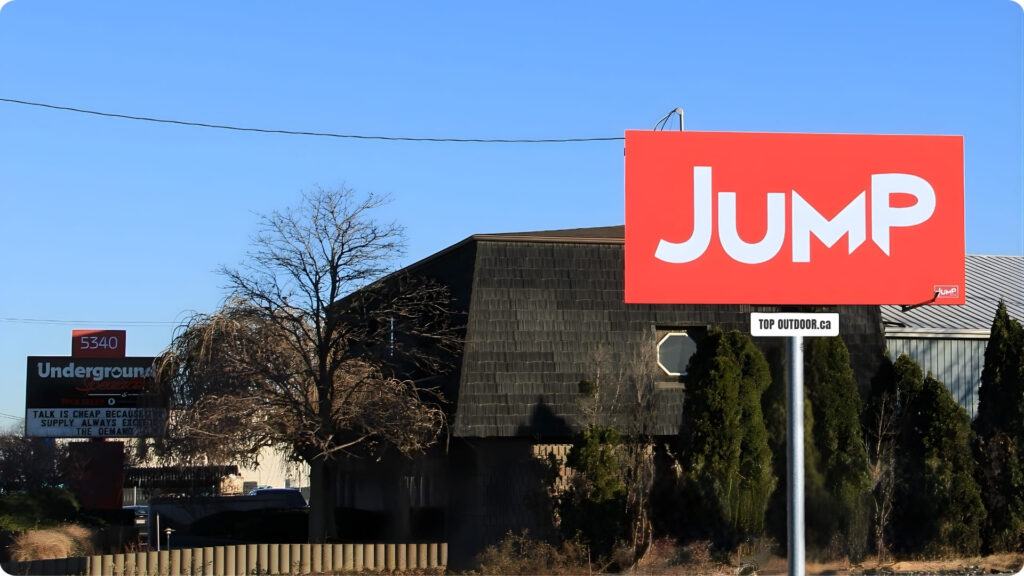
Maxischermo led pubblicitario su palo Sofia
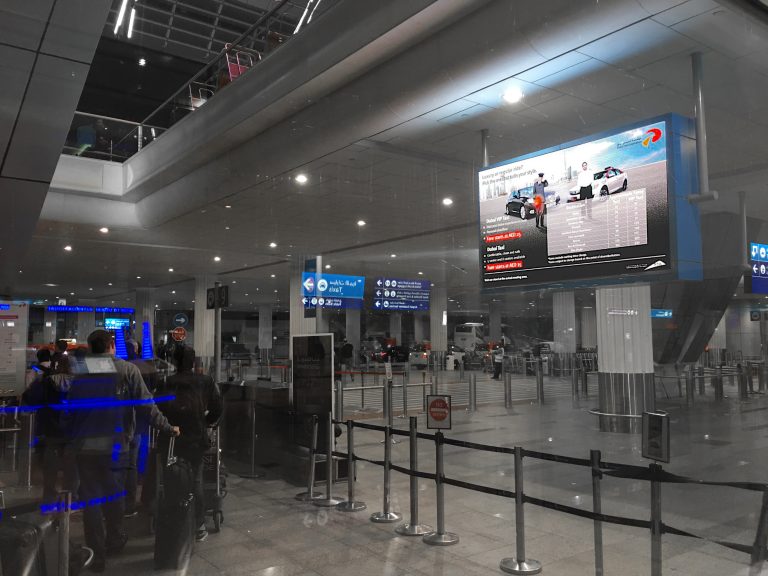
LedWall Dubai taxi

Where Are Giant LED Screens Used?

Giant LED screens are used in environments where visibility, audience reach and communication impact are critical. Thanks to their scalability and brightness, they can be installed in a wide variety of outdoor and public spaces, reaching thousands of viewers simultaneously.

Digital Billboards and DOOH Networks

One of the most common applications for giant LED displays is outdoor advertising. Installed on rooftops, roadside structures and urban locations, these screens allow advertisers and media owners to run multiple campaigns, update content remotely and maximize advertising revenue.

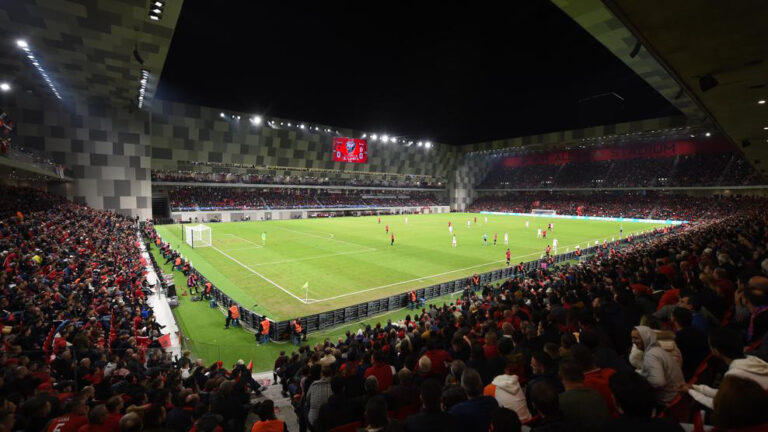
Stadiums and Sports Venues

Sports facilities use giant LED screens for scoreboards, live video, sponsorship visibility and fan engagement. Their high brightness and long-distance readability ensure excellent visibility even in large venues.

Public Squares and Urban Communication

Cities and municipalities increasingly use large LED displays to communicate public information, promote events and support smart city initiatives. These installations transform public spaces into dynamic communication platforms.

Airports, Railway Stations and Transport Hubs

Transport environments require reliable communication systems capable of reaching large audiences. Giant LED screens are used for passenger information, wayfinding, public announcements and advertising.

Events and Live Entertainment

Concerts, festivals and large public events rely on giant LED screens to improve audience visibility and create immersive visual experiences. Their modular design allows temporary installations of virtually any size.

Shopping centres, Commercial and Corporate Buildings

Large-format LED displays can also be integrated into commercial buildings, shopping centres and corporate headquarters, providing high-impact communication, branding opportunities and architectural value.

Indoor vs Outdoor Giant LED Screens

One of the first decisions when planning a large LED display project is whether the screen will be installed indoors or outdoors. While both technologies are based on modular LED panels, their technical characteristics, brightness levels and environmental requirements can be very different.

Outdoor Giant LED Screens

Outdoor LED displays are designed to operate in direct sunlight and challenging weather conditions. They typically feature higher brightness levels, robust weather protection and enhanced durability to ensure reliable performance throughout the year.

Outdoor giant LED screens are commonly used for:

  • Digital billboards and DOOH networks;
  • Stadiums and sports venues;
  • Public squares and city centres;
  • Transport hubs and infrastructure projects;
  • Media façades and large-scale advertising installations.

Discover our Outdoor LED displays.

Indoor Giant LED Screens

Indoor LED displays are optimized for closer viewing distances and controlled lighting environments. They generally offer finer pixel pitches, higher image detail and lower brightness levels compared to outdoor systems.

Typical applications include:

  • Shopping malls and retail environments;
  • Corporate lobbies and headquarters;
  • Conference centres and auditoriums;
  • Exhibition halls and visitor centres;
  • Indoor sports venues and arenas.

Discover our Indoor LED displays.

Which Solution Is Right for Your Project?

The choice between indoor and outdoor LED technology depends on several factors, including viewing distance, ambient light conditions, installation environment, content type and budget.

Selecting the appropriate pixel pitch, brightness level and protection rating is essential to achieving the best balance between performance, image quality and long-term investment value.

For a more detailed comparison, explore our guide on how to choose the best LED display.

3.9 mm indoor led wall for shipping mall gallery

Installation, Content Management and Network Control

A giant LED screen is much more than a display. Successful projects require the integration of hardware, software, content management and long-term operational support.

From a single digital billboard to a multi-location advertising network, every installation must be designed to ensure reliability, ease of management and maximum communication effectiveness.

Professional Installation

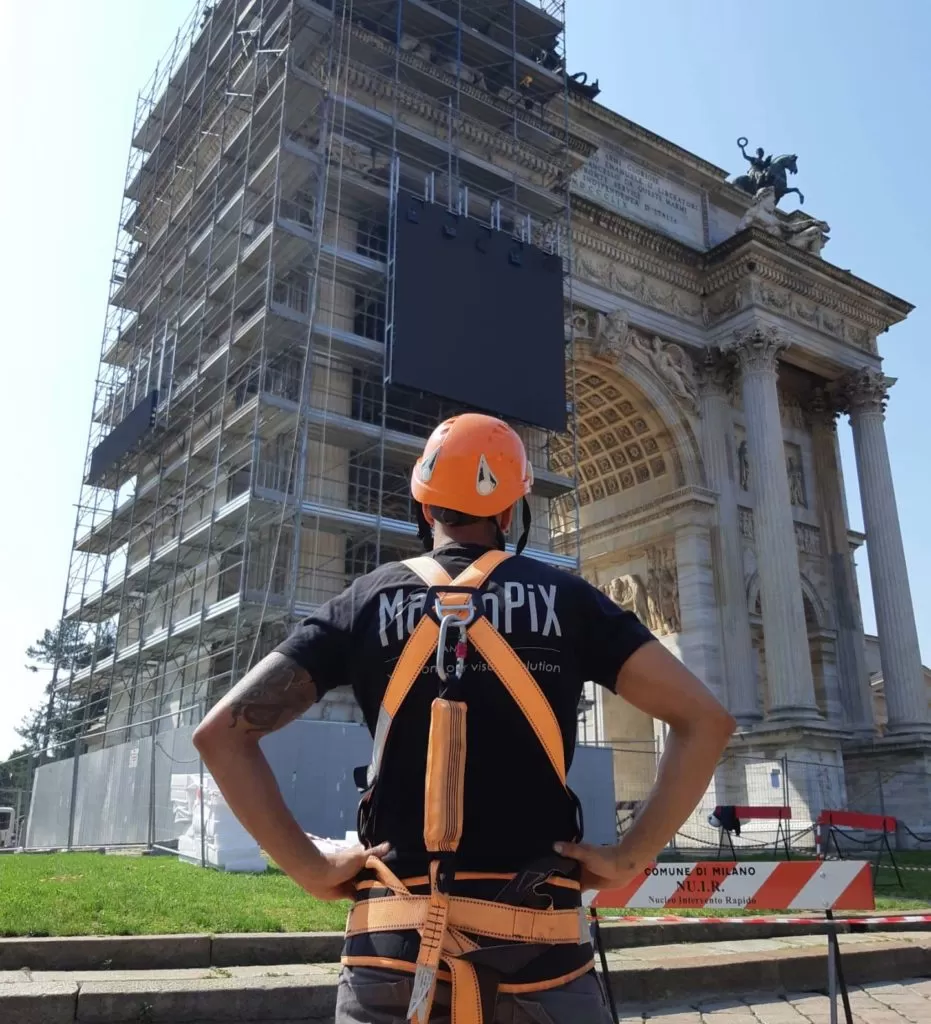
Large-format LED displays often require dedicated structural engineering, mounting systems, power distribution and network connectivity. Installation methods vary depending on the application, whether the screen is mounted on a rooftop, a dedicated structure, a building façade or integrated into existing architecture.

Remote Content Management

Modern giant LED screens can be managed remotely through centralized software platforms. Content can be updated instantly, scheduled in advance and distributed across multiple locations from a single control interface.

This allows advertisers, media owners and communication managers to react quickly to changing requirements without the need for on-site intervention.

Network-Based Advertising

Many giant LED screens operate as part of larger advertising or information networks. Centralized management enables multiple campaigns, audience targeting, scheduling and reporting across entire groups of displays.

Monitoring and Maintenance

Continuous monitoring helps identify potential issues before they impact performance. Modern LED systems support remote diagnostics, operational monitoring and proactive maintenance strategies that improve reliability and reduce downtime.

A Complete End-to-End Solution

MacroPix supports every stage of the project, from design and engineering to installation, software integration, commissioning and long-term support, ensuring that each giant LED display operates efficiently throughout its lifecycle.

LedWall da esterno impalcatura

How Much Does a Giant LED Screen Cost?

The cost of a giant LED screen depends on several factors, including screen size, pixel pitch, installation requirements, brightness levels, structural considerations and software functionality.

Every project is unique. A stadium display, a roadside digital billboard, a public information screen or a large architectural installation will have very different technical specifications and investment requirements.

When evaluating a giant LED display project, it is also important to consider long-term factors such as energy consumption, maintenance, content management and operational objectives.

For this reason, MacroPix develops each solution according to the specific requirements of the application, location and business model.

Looking for pricing information?

To learn more about the factors that influence investment and operating costs, explore our comprehensive LED Display Price Guide.

Why Choose MacroPix for Giant LED Screens?

Developing a large-scale LED display project requires much more than selecting a screen size. Structural design, visibility, brightness, energy consumption, content management and long-term reliability all play a critical role in the success of the installation.

MacroPix supports advertisers, media owners, sports venues, public authorities, system integrators and project developers in the design and implementation of professional giant LED display systems for a wide range of applications.

Our approach combines:

  • 25+ years of experience in LED display technology;
  • tailor-made solutions for advertising, sports, public communication and large-scale installations;
  • high-brightness LED displays designed for demanding outdoor environments;
  • proprietary software for content management and energy saving;
  • support for installation, commissioning and maintenance;
  • international experience in complex LED display projects.

Whether you are developing a digital billboard, a stadium screen, a public information platform or a large architectural display, MacroPix can help you design the right solution for your technical and commercial objectives.

Frequently Asked Questions about Giant LED Screens

What is a giant LED screen?

A giant LED screen is a large-scale digital display built from modular LED panels that can be assembled into virtually any size or shape. These displays are designed to deliver exceptional brightness, long-distance visibility and reliable performance in outdoor and public environments.

What is the difference between a giant LED screen and a digital billboard?

A digital billboard is a specific application of a giant LED screen used primarily for advertising. Giant LED screens can also be used in stadiums, transport hubs, public spaces, smart city projects, corporate buildings and live events.

How far away can a giant LED screen be viewed?

Viewing distance depends mainly on the pixel pitch and screen size. Displays with larger pixel pitches are typically used for long-distance applications such as highways and large outdoor advertising installations, while finer pixel pitches are suitable for closer viewing environments.

The optimal configuration depends on the location, audience and communication objectives of the project.

Can giant LED screens operate in direct sunlight and bad weather?

Yes. Outdoor giant LED screens are specifically designed to operate in challenging environmental conditions, including direct sunlight, rain, wind, dust and temperature fluctuations.

High-brightness LEDs and weather-resistant construction ensure reliable performance and excellent visibility throughout the year.

What pixel pitch is best for a giant LED screen?

The best pixel pitch for a giant LED screen depends primarily on the viewing distance and the level of image detail required.

In general, displays viewed from long distances, such as roadside digital billboards and highway advertising screens, can use larger pixel pitches, while applications viewed from closer distances require finer pixel pitches to achieve higher image quality and sharper content.

Selecting the right pixel pitch is important because it affects not only visual performance, but also the overall investment cost of the project.

Ready to develop your giant LED screen project?

Contact us today to discuss your project and discover the best giant LED screen solution for your business.