
TV studios & news sets
XR stages & LED volumes
Virtual production
Live broadcast & streaming
Commercials and Branded Content
Film and Television Production
Corporate Virtual Events

LED Displays for Broadcast, XR & Virtual Production Studios
LED video walls are transforming broadcast, XR and virtual production environments by enabling real-time content creation and camera-ready visual experiences.
Unlike standard LED displays, broadcast LED systems are designed specifically for camera use, ensuring perfect synchronization, high refresh rates and accurate color reproduction without flicker or moiré effects.
Camera-ready • Genlock • No flicker • Real-time production
From TV studios and news sets to advanced XR stages and LED volumes, these solutions allow production teams to replace traditional green screens with immersive digital environments, reducing post-production time and enhancing creative flexibility.
MacroPix LED systems are engineered to meet the highest technical requirements, delivering reliable performance, seamless visuals and full integration with camera, tracking and rendering technologies.
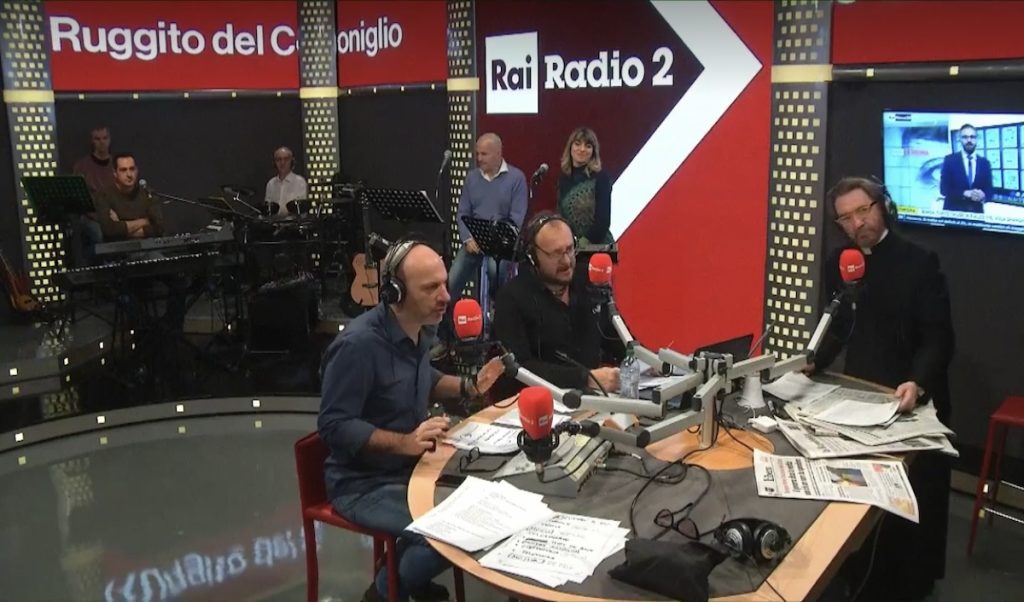
Why LED is the standard for broadcast and XR production?
LED technology has become the industry standard for modern broadcast and virtual production environments because it enables real-time, camera-ready content creation:
- Real-time environments replacing traditional green screens
- Seamless integration with cameras and rendering systems
- No flicker, no moiré and perfect synchronization
- Unlimited creative freedom for immersive scenography
- Reduced post-production time and overall production costs
This is why LED video walls are now the backbone of modern content production, from TV studios to advanced XR stages.
Transforming Content Creation Workflows
Modern broadcast and virtual production environments are moving away from traditional green-screen workflows in favour of real-time production techniques. LED video walls enable production teams to visualize final scenes during filming, accelerate decision-making and significantly reduce post-production requirements.
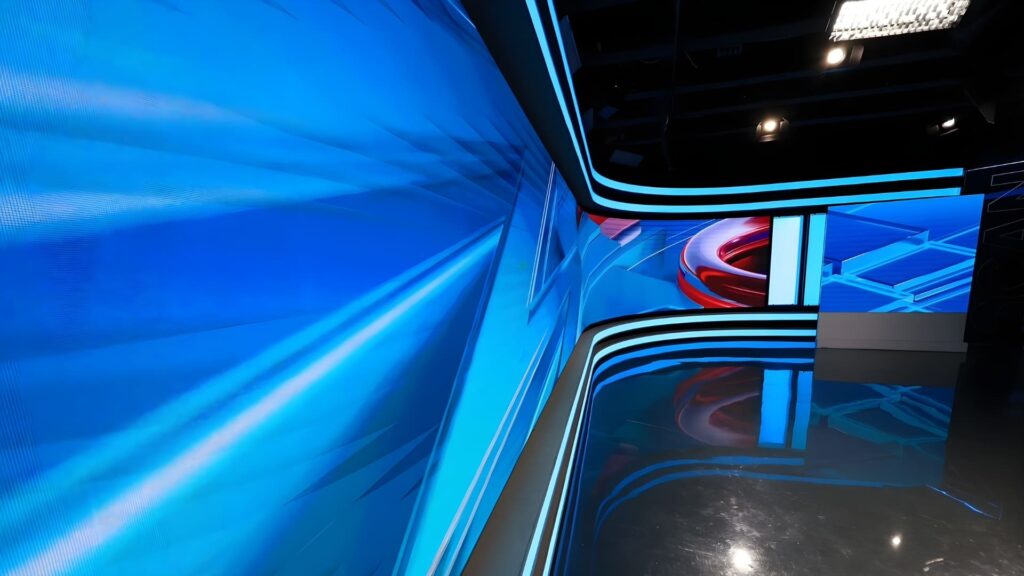
Broadcast LED vs standard LED displays
Not all LED displays are designed for camera use.
While a standard LED screen may look good to the human eye, it often fails under professional camera conditions. Broadcast LED systems are specifically engineered to deliver perfect on-camera performance in real-time production environments.
***
Standard LED
- Designed for human viewing
- Basic calibration
- No synchronization with cameras
- Risk of flicker and moiré effects
- Limited performance in broadcast environments
Broadcast LED (MacroPix)
- Camera-ready performance
- High refresh rates (up to 7680Hz)
- Genlock and full synchronization
- No flicker and no moiré
- Accurate color reproduction for camera systems
- Reliable performance in real-time production
***
Choosing the wrong LED technology can compromise the entire production.
MacroPix broadcast LED solutions are designed to ensure full compatibility with cameras, tracking systems and real-time rendering workflows from day one.
Why Camera Performance Matters
In virtual production and broadcast environments, image quality is evaluated through professional cameras rather than the human eye alone. Refresh rates, synchronization accuracy, colour consistency and moiré control therefore become critical factors in achieving production-ready results.
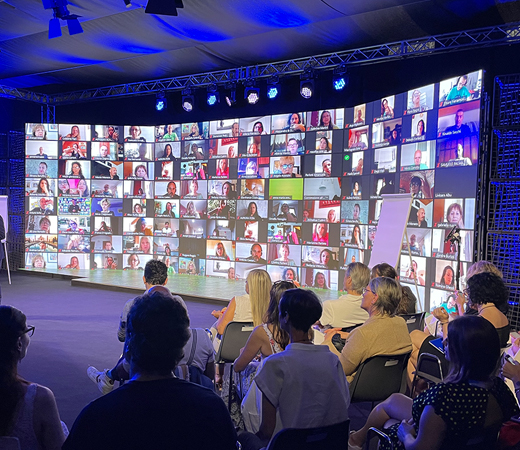
Broadcast & XR Applications
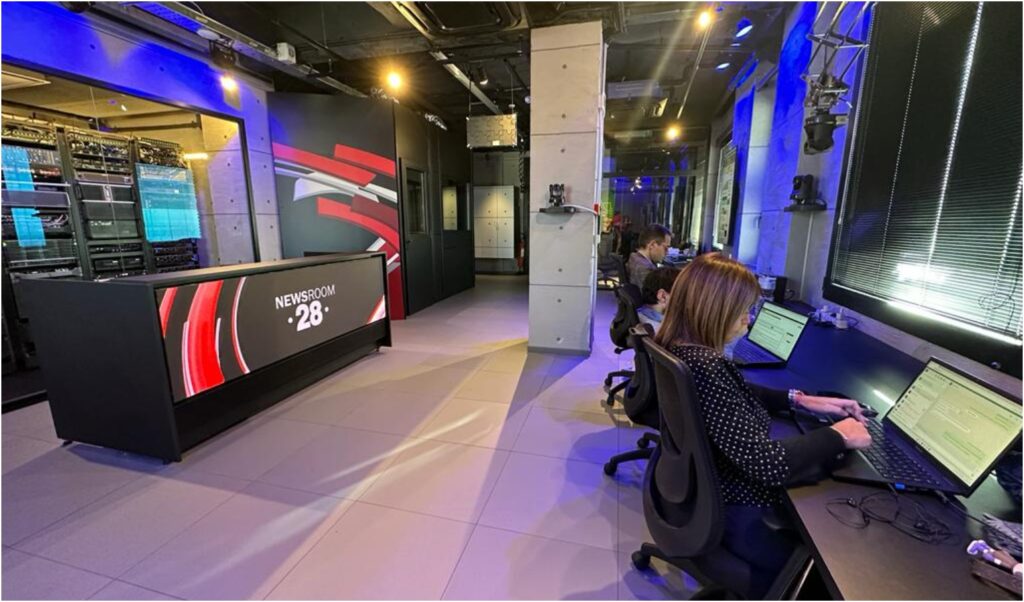
Key features for camera-ready LED walls
LED video walls for broadcast and XR applications must meet strict technical requirements to ensure flawless on-camera performance and real-time reliability.
- Ultra-fine pitch (0.9–2.6 mm)
- High refresh rate (≥3840Hz / up to 7680Hz)
- Accurate color & HDR
- Genlock & synchronization
- Modular design (flat / curved / volumes)
- 24/7 reliability
These features are essential to guarantee compatibility with professional cameras, tracking systems and real-time rendering engines used in modern virtual production workflows.
Supporting Real-Time Rendering Workflows
Modern virtual production environments rely on real-time rendering engines such as Unreal Engine. Broadcast LED systems must therefore provide accurate synchronization, low latency and reliable interaction with camera tracking technologies.
Imaginis and Mobilis series are specifically designed for high-performance broadcast and XR applications — discover indoor LED display series.
For curved walls, immersive environments and custom XR scenography, explore our Creative LED Display Solutions.
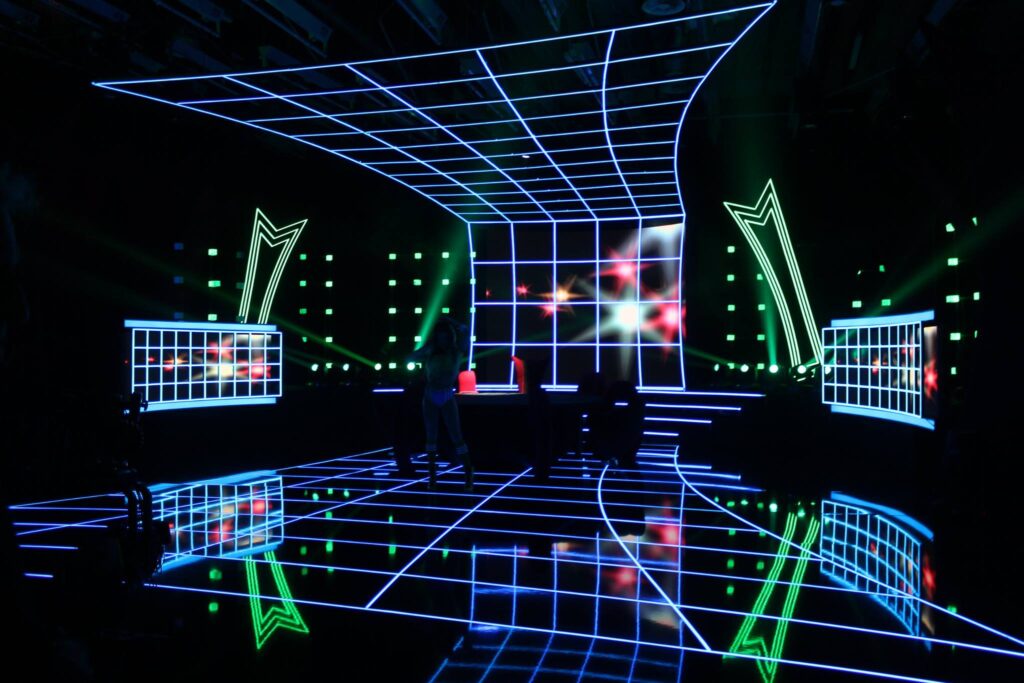
Why choose MacroPix for broadcast applications?
Proven experience in broadcast & XR
Full technology expertise (COB, SMD, MIP…)
Custom engineering approach
Reliable performance in critical environments
Solutions designed for broadcast studios, XR stages, virtual production environments and LED volume applications
- Expertise in camera integration, real-time rendering workflows and production-ready system design
Discover some of our latest broadcast installations.

Common mistakes in XR and broadcast LED projects
– Pixel pitch used as the only criterion
– Insufficient refresh rate
– No synchronization (Genlock)
– Poor color calibration
– Thermal management overlooked
– Incorrect structure design
MacroPix approach is different
We don’t just supply LED displays.
We design complete systems including:
camera compatibility
synchronization
thermal and structural design
integration with tracking systems
This ensures a production-ready environment from day one.
How Much Does a Broadcast or XR LED Wall Cost?
The cost of a broadcast or virtual production LED system depends on far more than display size alone.
Unlike conventional LED installations, XR stages, broadcast studios and LED volumes require specialized technologies designed to guarantee flawless camera performance, real-time synchronization and seamless integration with production workflows.
A television studio backdrop, a virtual production stage and a large-scale LED volume will each require different technical specifications and investment levels.
Factors that typically influence pricing include:
- Display size and LED wall configuration;
- Pixel pitch and camera viewing distances;
- Refresh rate requirements;
- Genlock and synchronization capabilities;
- Curved, flat or LED volume structures;
- Integration with camera tracking systems;
- Real-time rendering workflows;
- Structural engineering requirements;
- Installation and commissioning services.
While investment levels vary according to project scope, professional broadcast LED systems help production teams reduce post-production costs, accelerate content creation and increase creative flexibility.
Looking for pricing information?
To learn more about the factors that influence investment, operating costs and return on investment, explore our comprehensive LED Display Price Guide.
Frequently Asked Questions about Broadcast, XR and Virtual Production LED Walls
What is virtual production?
Virtual production is a filmmaking and content creation technique that combines LED video walls, real-time rendering engines and camera tracking technologies to create immersive digital environments during filming rather than in post-production.
What is an LED volume?
An LED volume is a production environment composed of LED walls, and often LED ceilings, that surround performers with real-time digital content. LED volumes are widely used in film production, television, commercials and XR applications.
Can LED walls replace green screens?
Yes. In many applications, LED walls can replace traditional green screens by displaying digital environments directly on set. This allows actors, directors and camera operators to see the final scene during filming while reducing post-production requirements.
Why is Genlock important in broadcast applications?
Genlock synchronizes LED displays with professional cameras, ensuring stable images without flicker, tearing or synchronization issues. It is considered an essential requirement for professional broadcast and virtual production environments.
What refresh rate is recommended for broadcast LED walls?
Professional broadcast applications typically require refresh rates of at least 3840Hz, while advanced virtual production environments may benefit from higher refresh rates up to 7680Hz depending on the production workflow and camera systems being used.
What pixel pitch is recommended for XR and virtual production?
The optimal pixel pitch depends on camera distance, lens selection and production requirements. Fine pixel pitch LED displays between approximately 0.9 mm and 2.6 mm are commonly used in broadcast and virtual production environments.
Can LED walls integrate with Unreal Engine and camera tracking systems?
Yes. Professional XR environments are commonly integrated with Unreal Engine, camera tracking technologies and real-time rendering platforms to create synchronized virtual production workflows.
What is the difference between a standard LED display and a broadcast LED wall?
Broadcast LED walls are specifically engineered for camera use and provide features such as high refresh rates, Genlock synchronization, advanced colour calibration and reduced moiré effects that are not typically available in standard LED displays.
Are XR LED walls suitable for live events and corporate productions?
Absolutely. XR technologies are increasingly used for live broadcasts, virtual events, product launches, corporate presentations and branded content productions in addition to traditional television and film applications.
Ready to Build Your Broadcast or XR Studio?
Contact us today to discuss your project and receive a tailored proposal.