
Installation of LED display
LED Display Installation: How LED Screens Are Installed Step by Step
Installing a professional LED display is a highly specialized process that requires engineering expertise, certified technicians and full compliance with structural, electrical and safety standards.
Whether the project involves an indoor video wall, an outdoor digital billboard or a façade-integrated LED display, proper installation is essential to guarantee performance, durability and safety.
Why professional installation is critical
Modern LED display systems involve multiple technical aspects, including structural engineering, power distribution, data networking and thermal management.
- Perfect alignment to avoid visible gaps or distortions
- Correct ventilation and heat dissipation
- Safe electrical integration and load distribution
- Protection against weather conditions (for outdoor displays)
- Accurate configuration of brightness, color and control systems
Improper installation can lead to performance issues, reduced lifespan and higher maintenance costs.
Step-by-step LED display installation process
A professional installation typically follows a structured workflow:
- Unpacking and handling – safe handling of modules and cabinets to avoid damage
- Positioning and mounting – precise alignment using engineered structures
- Wiring and signal configuration – correct data mapping and system testing
- Power integration – balanced load distribution and certified electrical connections
- Calibration and testing – brightness, color uniformity and performance checks
This ensures that the LED display operates reliably from day one.
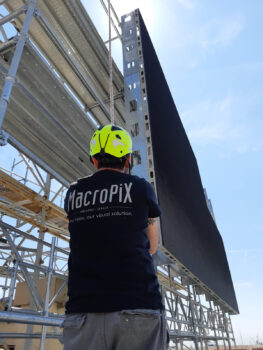
Different installation types
- Wall-mounted displays – fixed installations for retail, corporate and control rooms
- Outdoor billboards – large structures requiring wind-load and safety calculations
- Façade and architectural displays – integrated into buildings and media façades
- Mobile and modular LED screens – plug-and-play solutions for events and temporary use
Each type requires a different engineering approach and level of complexity.
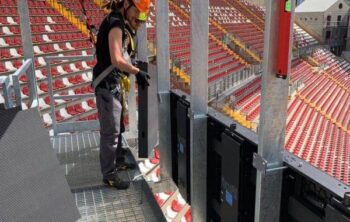
On-site testing and certification
Before final delivery, LED displays are tested on-site to ensure full performance and safety compliance:
- Brightness and color uniformity checks
- Signal stability and synchronization verification
- Thermal and electrical performance tests
- Structural safety and waterproofing (for outdoor installations)
This guarantees long-term reliability and consistent visual performance.
After installation, regular maintenance helps preserve image quality, maximize system lifetime and reduce the risk of unexpected downtime.
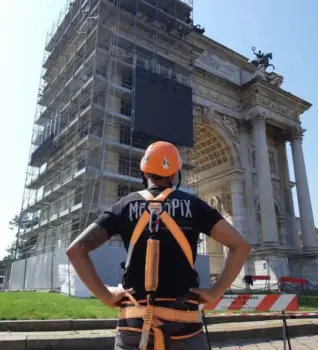
Why choose a professional LED partner
A reliable partner ensures that the LED display is not only correctly installed, but also optimized for long-term performance, energy efficiency and ease of maintenance.
From engineering and permitting to installation and commissioning, a professional approach reduces risks and maximizes return on investment.
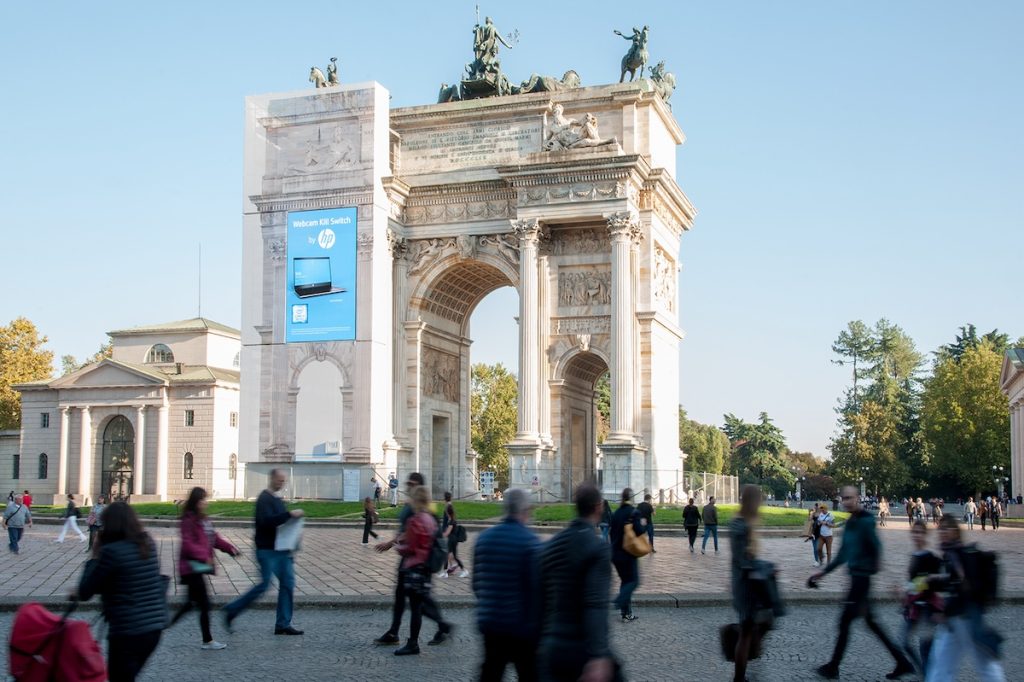
Planning a Professional LED Display Installation?
Contact our specialists today to discuss your project or request professional installation support.