Projects
How to Choose the Right LED Display for Indoor and Outdoor Projects?
A practical guide to help you choose the best LED display based on environment, viewing distance, performance and budget.
Choosing the right LED display is essential to ensure performance, visibility and long-term return on investment.
Whether the project is indoor, outdoor or behind a glass window, each application requires a different combination of pixel pitch, brightness, protection and technology.
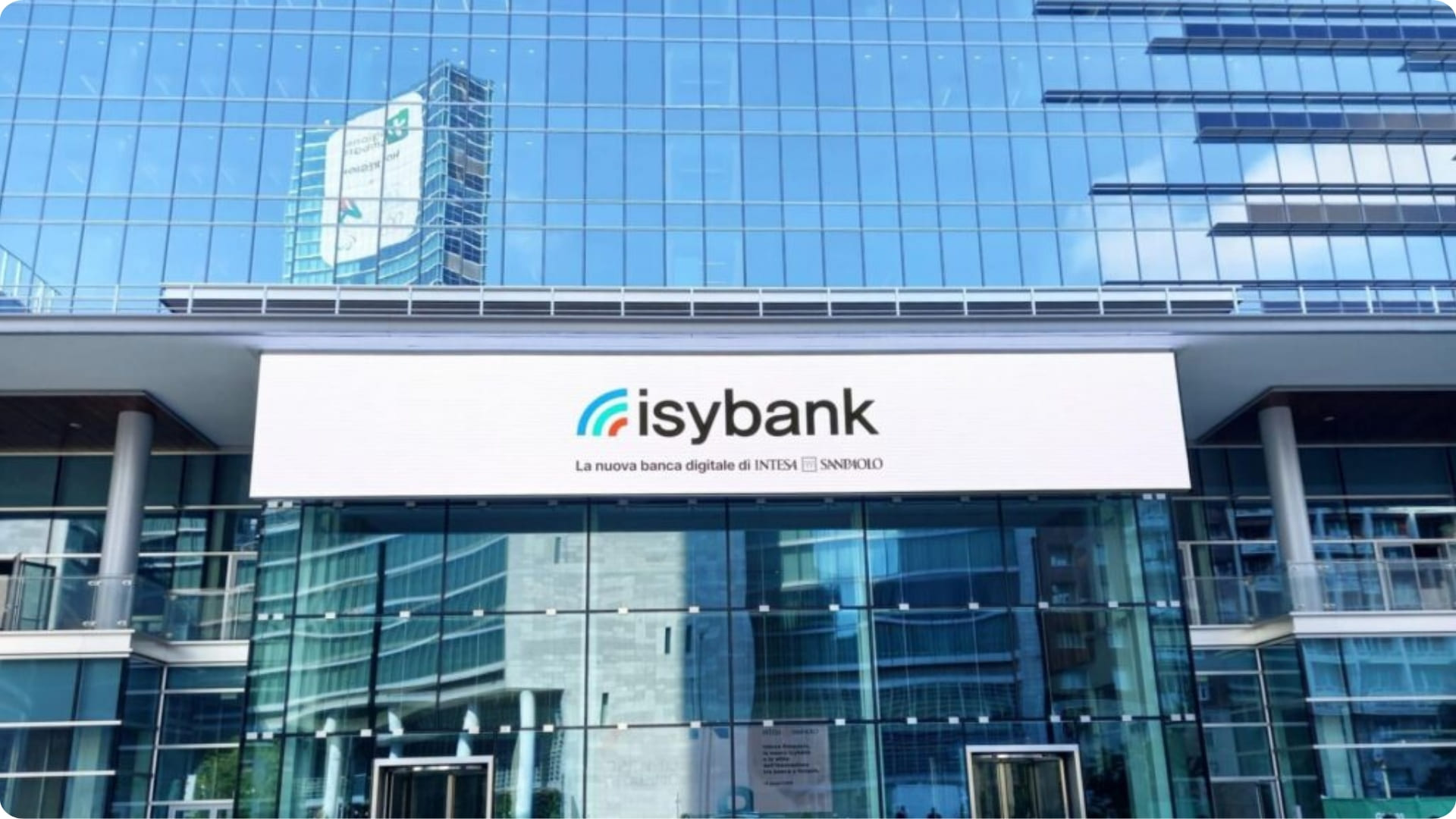
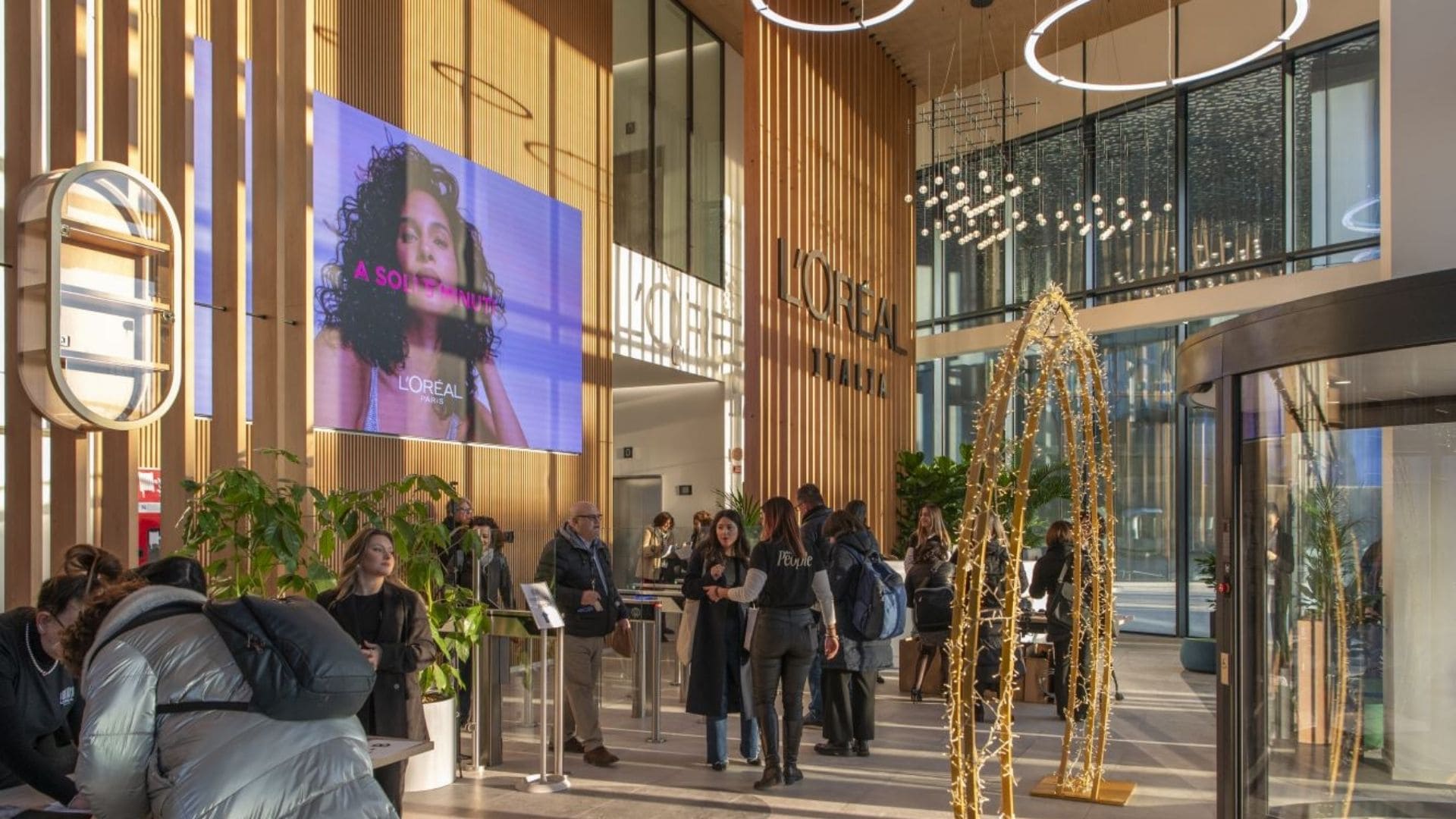
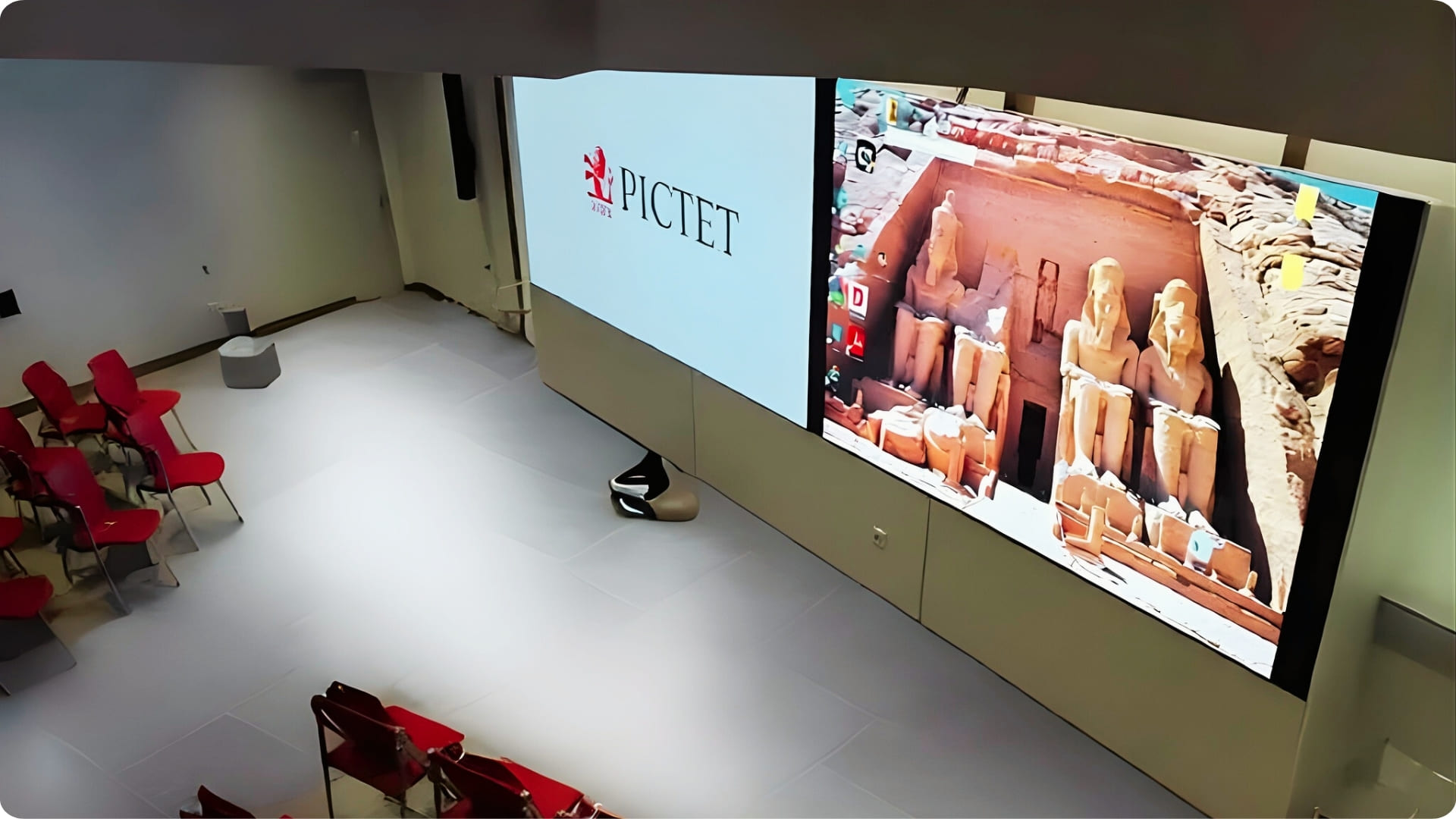
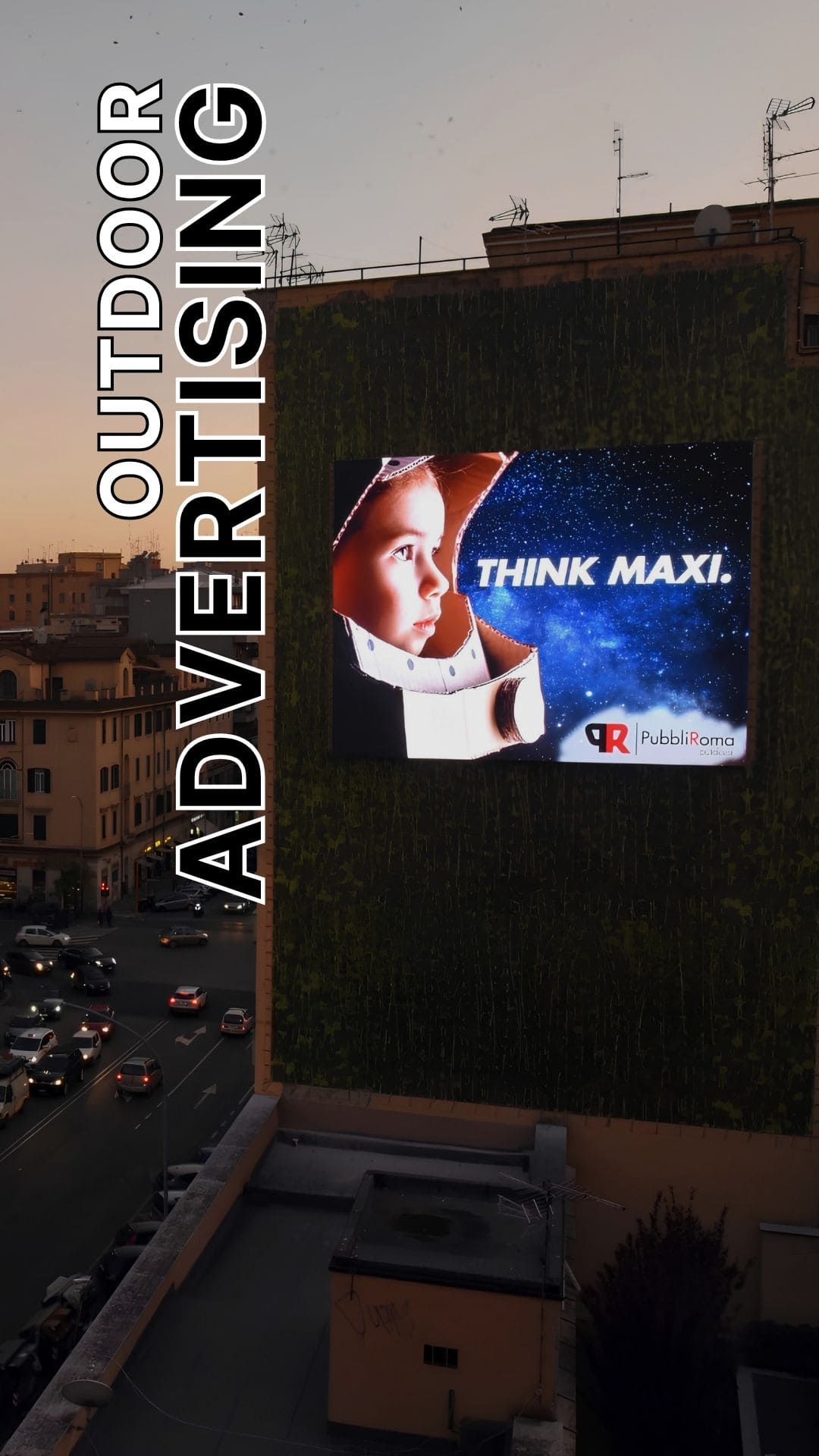
Get inspired by real LED display installations
Explore thousands of LED display installations completed by MacroPix worldwide, across retail, digital advertising, stadiums, corporate environments and smart city projects.
How to choose the right LED display
To choose the best LED display, four key elements should always be evaluated:
1. Installation environment
2. Viewing distance and pixel pitch
3. Brightness requirements
4. Type of content to be displayed
Installation environment
The first step is understanding where the display will be installed.
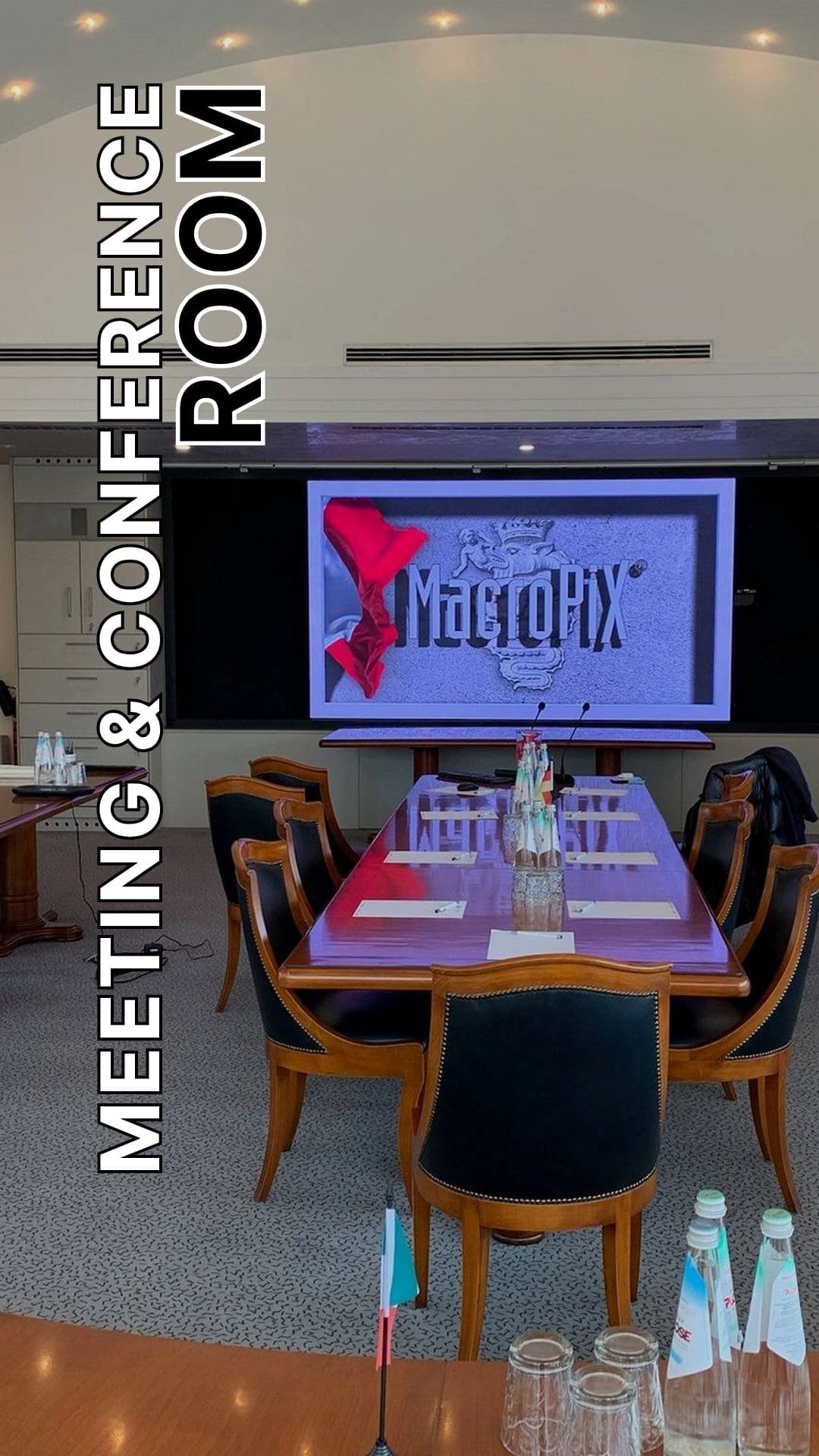
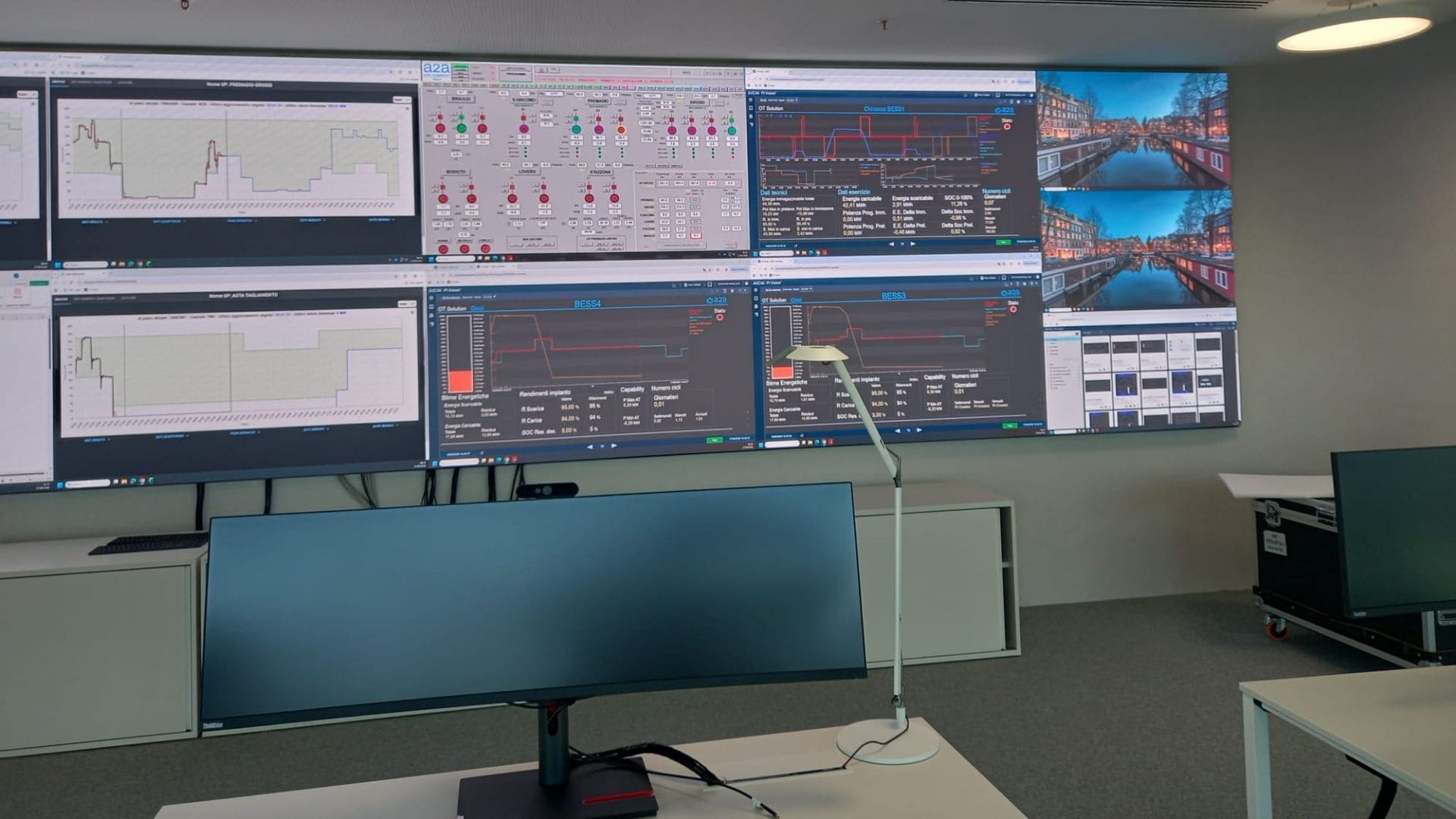
Indoor LED displays are typically used in meeting rooms, retail spaces, control rooms and corporate environments.
Outdoor LED displays must withstand weather, direct sunlight, dust and temperature changes, making brightness, durability and protection essential.
Installations behind glass windows or on media façades require additional evaluation of reflections, transparency and structural constraints.
Viewing distance and pixel pitch
Pixel pitch is one of the most important factors in LED display selection.
The shorter the viewing distance, the smaller the pixel pitch should be to ensure good image quality.
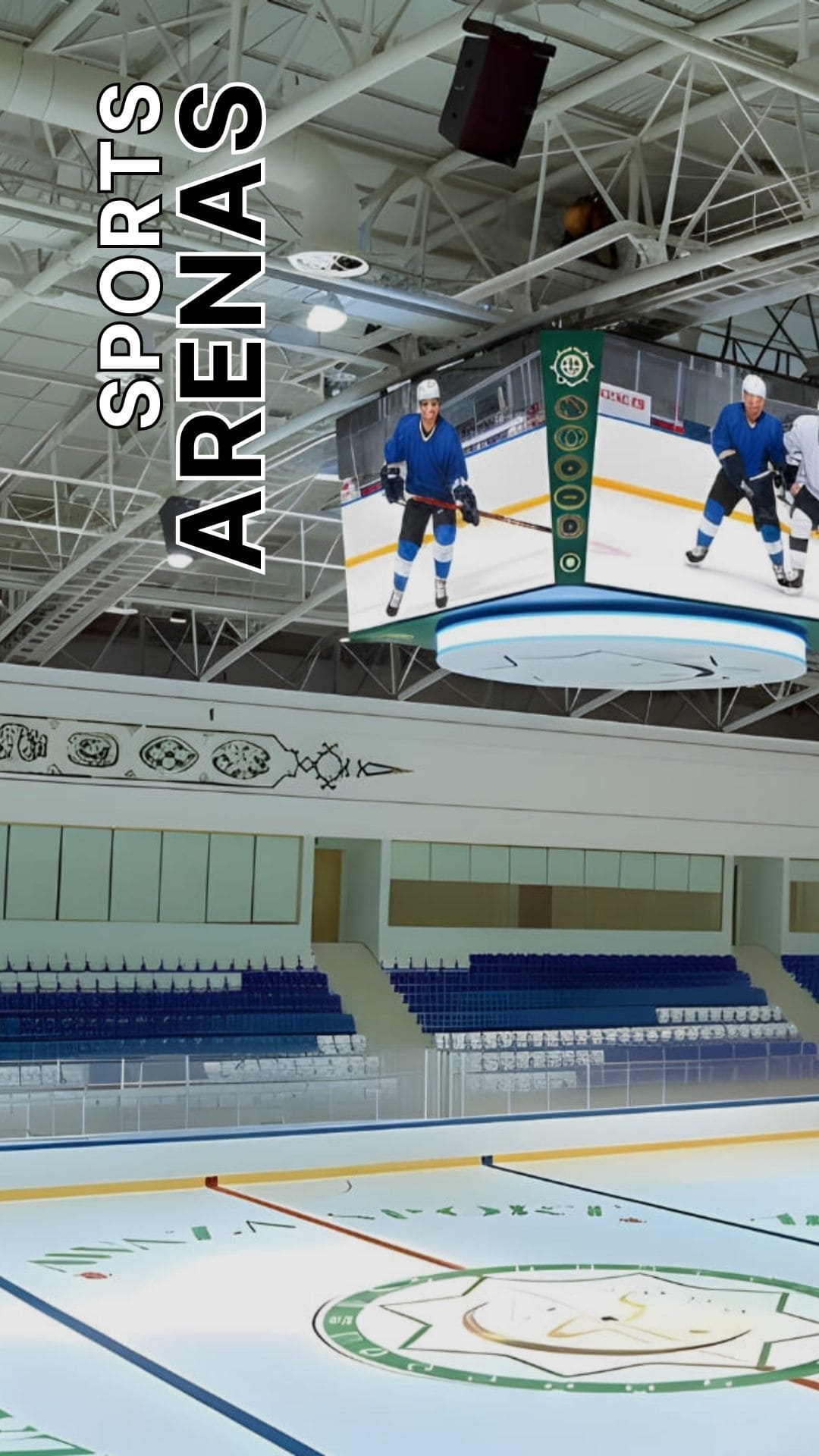
Fine pixel pitch solutions are ideal for indoor environments, while larger pixel pitch models are better suited for outdoor billboards, stadiums and long-distance viewing.
Brightness and visibility
Brightness requirements depend on ambient light and application.
Indoor installations require lower brightness and higher contrast, while outdoor displays need much higher brightness to remain visible in direct sunlight.
For shop windows, digital billboards and media façades, brightness is a critical parameter for communication effectiveness.
Content and communication goals
The type of content influences the choice of LED display.
Text, numbers and public information require different specifications compared to video, advertising or immersive visual content.
Understanding the audience — pedestrians, drivers, visitors or operators — helps define the correct balance between resolution, brightness and format.
Choosing the best LED display for outdoor installations
The decision today
Outdoor LED displays are selected mainly on the basis of brightness, durability and viewing distance.
Today, SMD technology is the standard for most professional outdoor applications thanks to high brightness, wide viewing angles and improved visual quality.
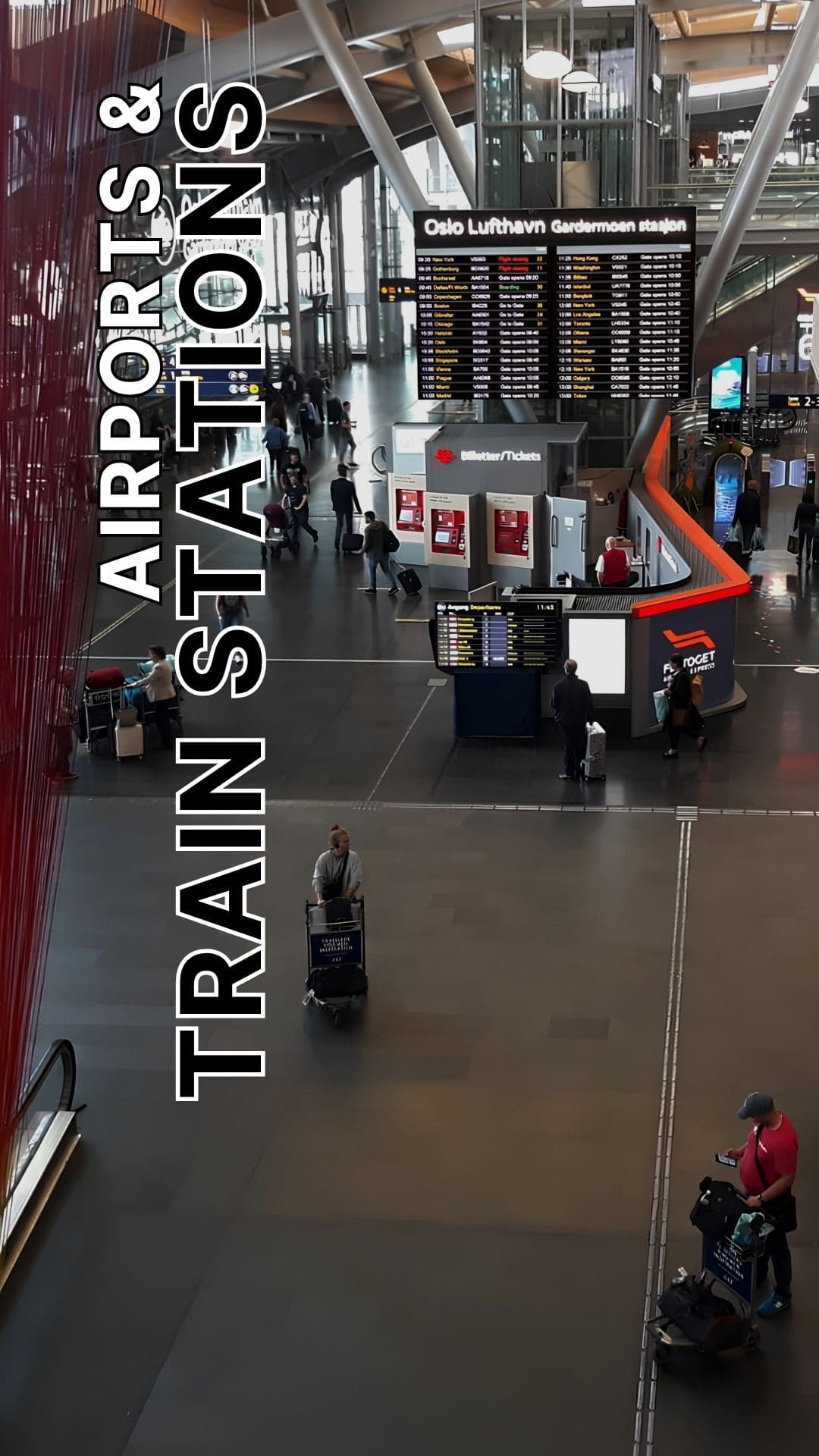
Outdoor LED displays are commonly used for:
Related MacroPix solutions:
Choosing the best LED display for indoor installations
Indoor LED displays are mainly defined by pixel pitch, contrast and surface quality.
For fine pixel pitch installations, technologies such as COB, IMD and MIP offer better contrast, durability and image uniformity.
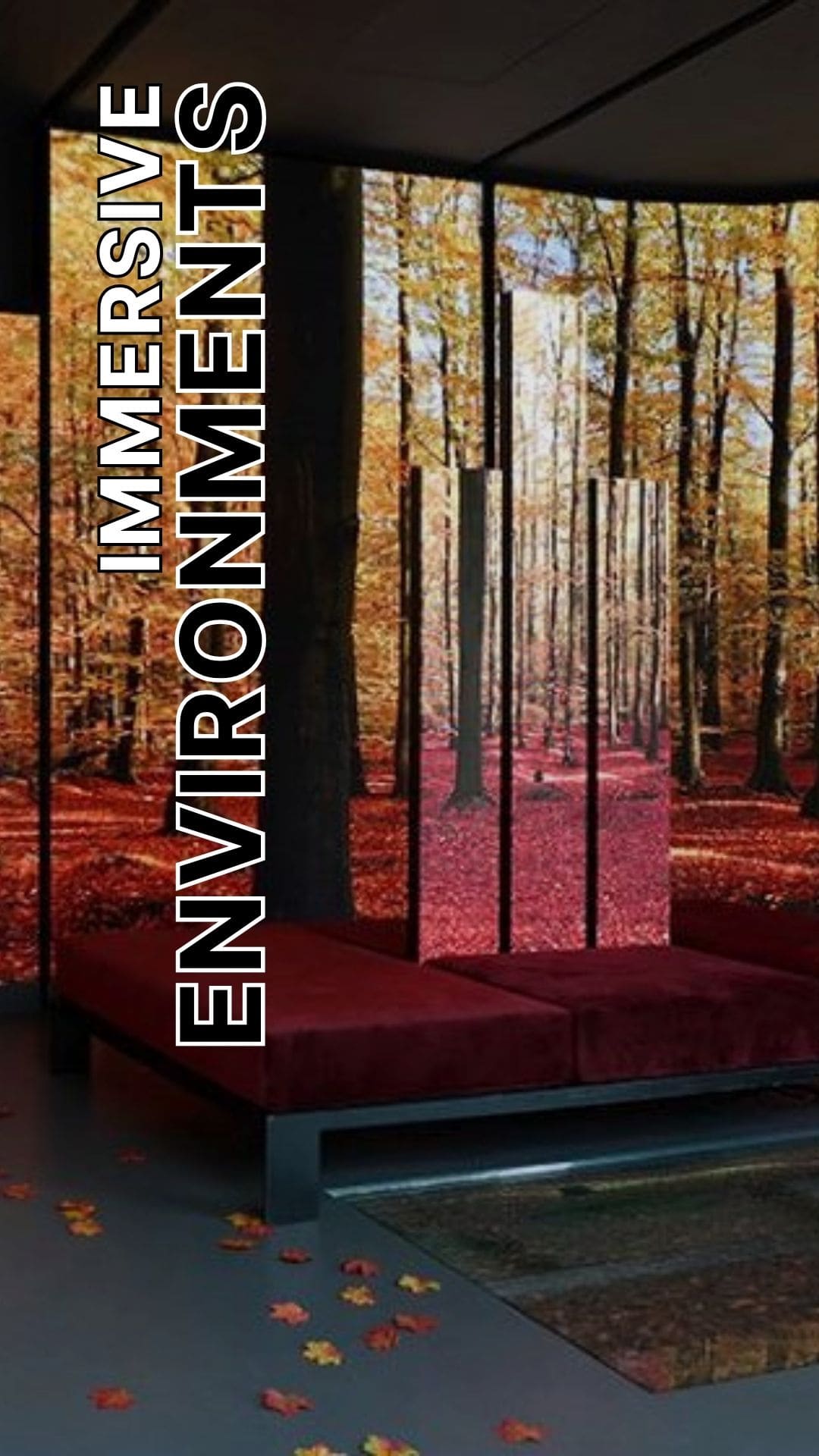
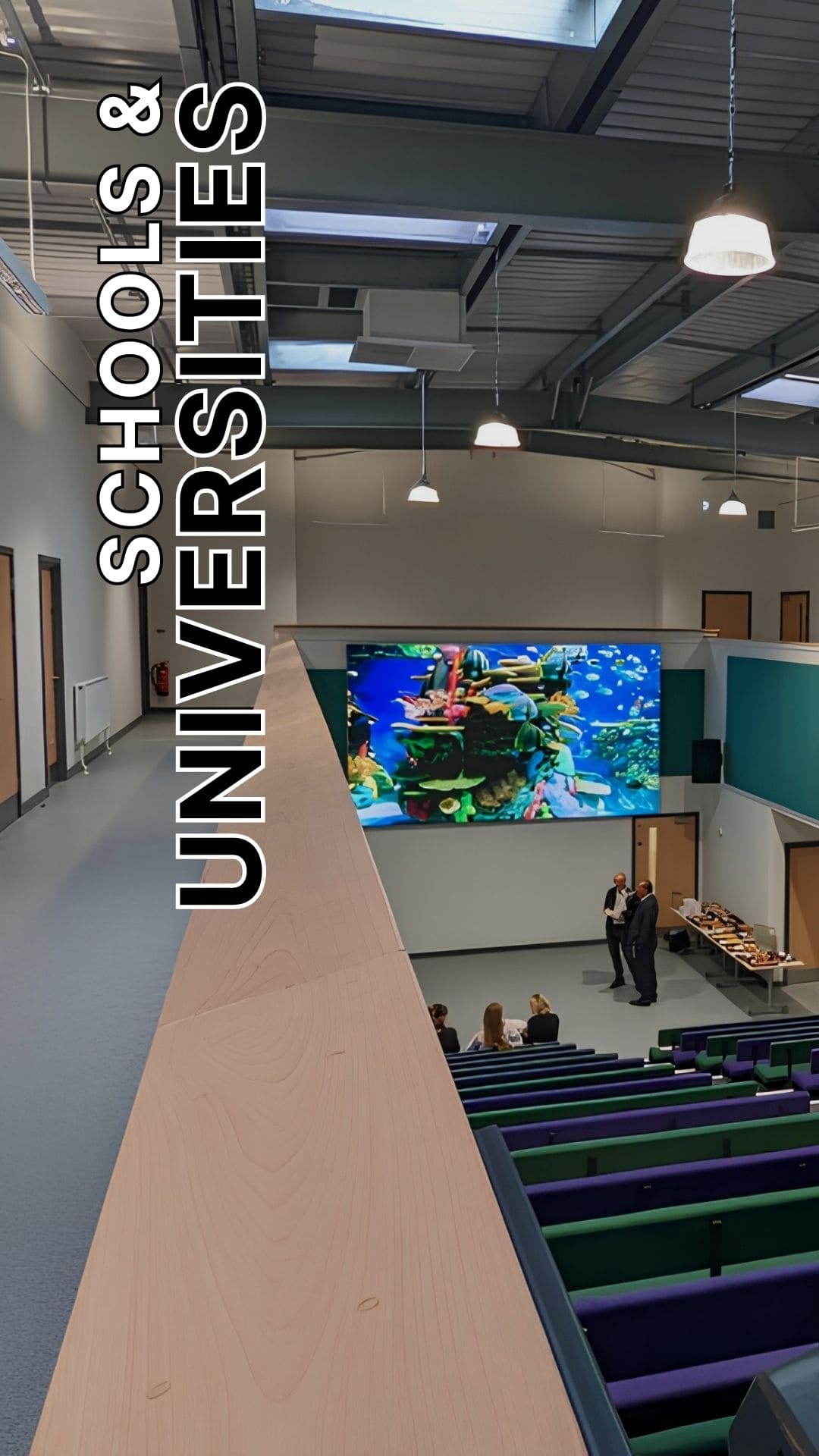
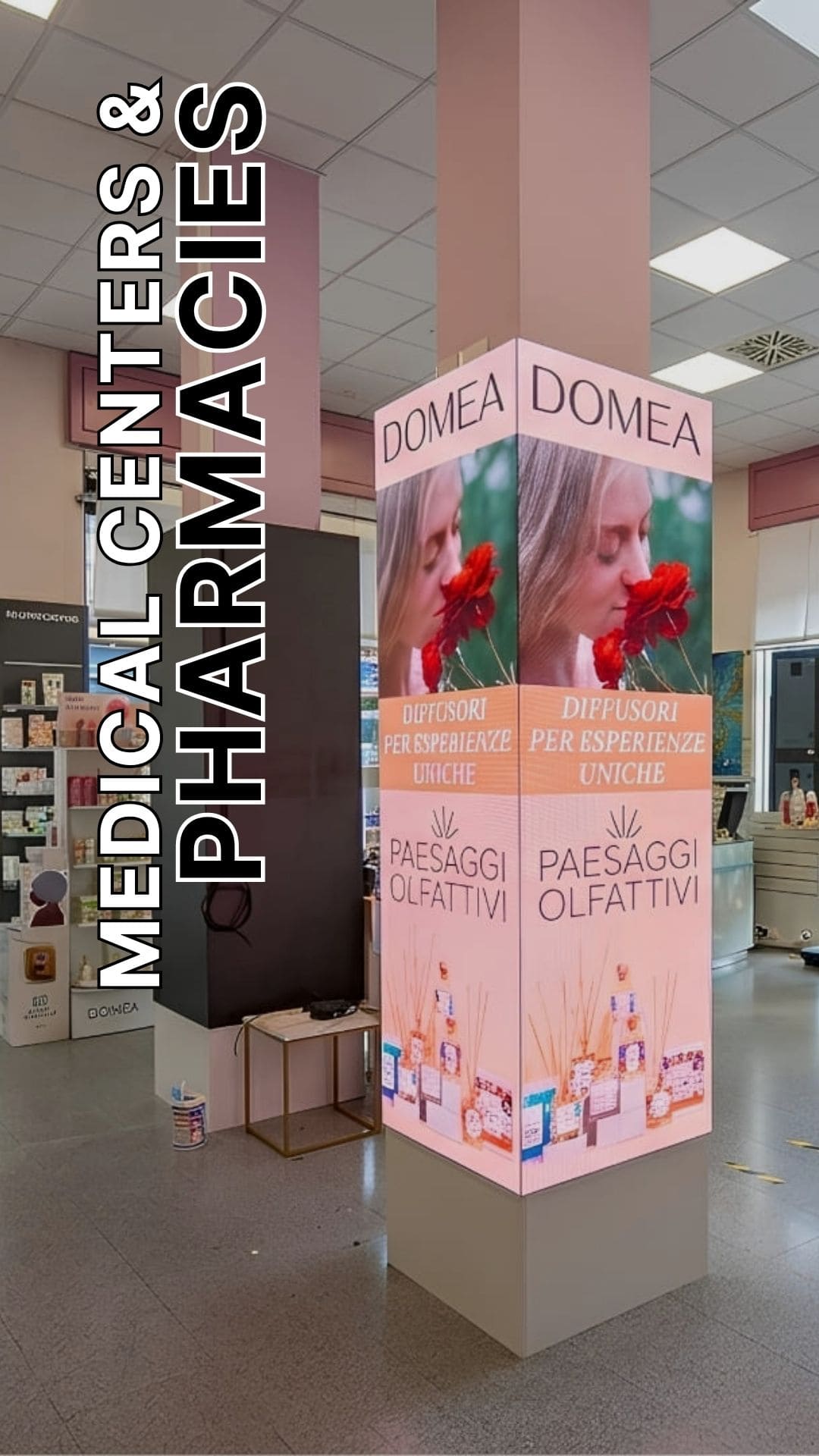
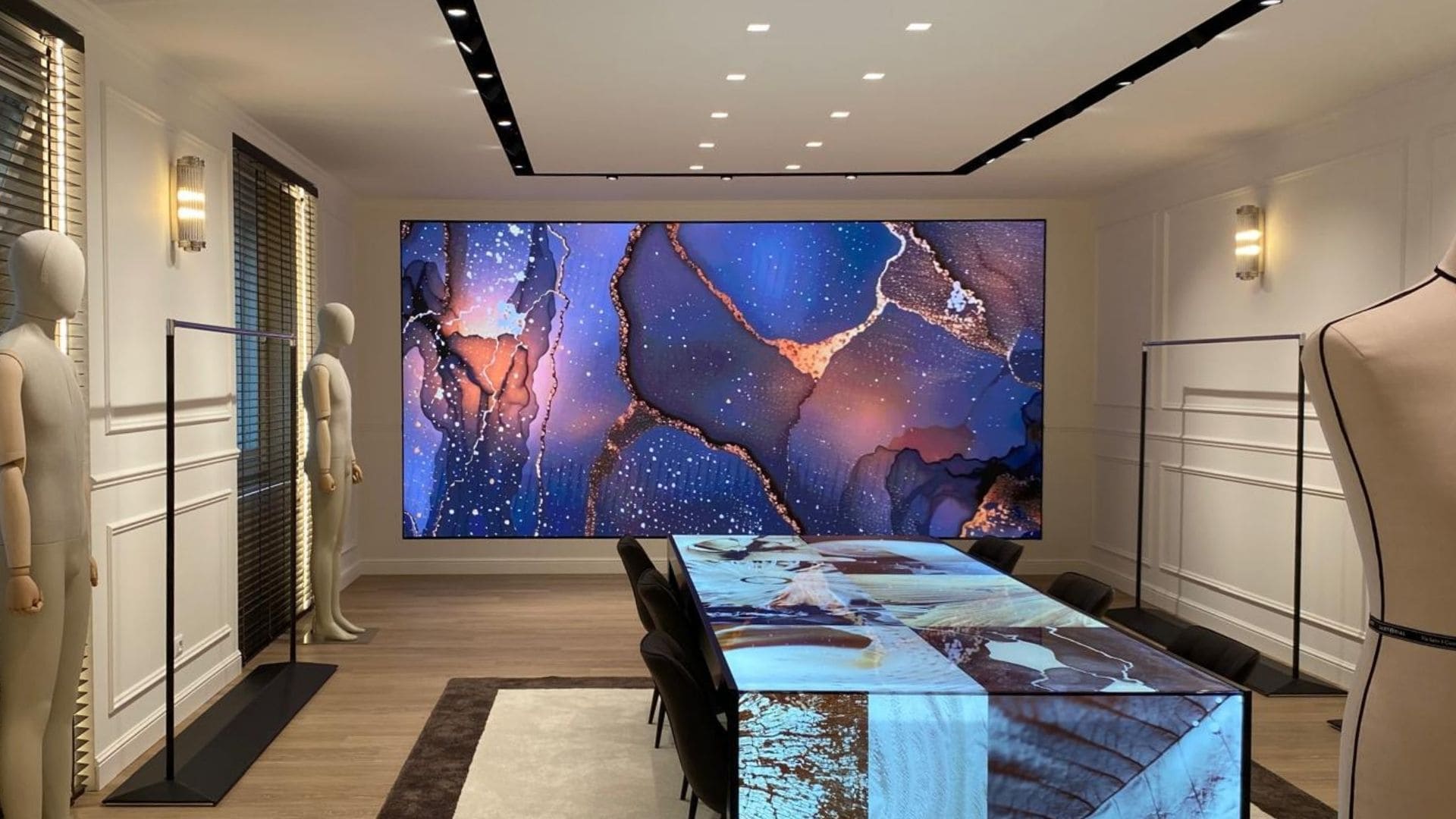
Indoor LED displays are widely used in:
Related MacroPix solutions:
Budget
Understanding the cost of different LED display solutions is essential to define the right configuration and avoid underestimating the budget.
Not sure how much your LED display project will cost?
Prices can vary widely depending on size, resolution and installation complexity.
Discover our complete LED display price guide →
Main LED technologies to consider
SMD is the most widely used and versatile technology for both indoor and outdoor displays.
COB is increasingly preferred for fine pixel pitch indoor applications thanks to its robustness and superior contrast.
IMD and MIP are used in high-end projects requiring very fine resolution and premium image quality.
Market trends
The LED display market is moving towards narrower pixel pitches.
Indoor applications are evolving towards 0.6–1.2 mm solutions, while outdoor installations are moving from traditional 10–16 mm to 2.6–4.8 mm formats.
Larger pixel pitch remains the best choice for very large screens viewed from long distances.
How MacroPix can help
Choosing the right LED display is only part of the decision.
It requires understanding real installation conditions, communication goals and system lifetime.
MacroPix supports clients in selecting the best LED solution based on application, viewing distance, environment and budget.
Need help choosing the right LED display for your project?
Contact MacroPix to get a tailored solution based on your application, environment and budget.