
Transparent LED displays
Transparent LED Displays: See-Through LED Screens, Mesh and Glass Solutions
Digital Communication Without Blocking Light, Visibility or Architecture
Transparent LED displays are one of the most innovative and fastest-growing solutions in professional digital signage. They allow brands, architects and system integrators to transform glass façades, shop windows, retail spaces and architectural surfaces into dynamic digital communication platforms without completely blocking light or visibility.
Unlike traditional solid LED walls, transparent and mesh LED displays are designed with open structures, LED bars, grids, mesh systems or transparent films that allow people to see through the screen while displaying high-impact digital content.
These solutions are ideal when visual communication must coexist with architecture, natural light, interior visibility and design requirements. For this reason, transparent LED displays are increasingly used in media façades, flagship stores, shopping malls, airports, showrooms, corporate buildings, events and immersive installations.
Depending on the application, these technologies may be referred to as transparent LED displays, LED mesh screens, see-through LED displays, transparent LED films, glass LED displays or media façade LED systems.
Discover the different transparent LED technologies and learn which solution is best suited for retail, media façades, architecture and creative installations.What are transparent or mesh LED displays?
Transparent LED displays are digital screens designed to display dynamic content while allowing light and visibility to pass through the structure. Instead of using a fully solid cabinet like a traditional LED wall, they are built with open or semi-transparent architectures that preserve part of the view behind the screen.
Depending on the technology, transparent LED displays can be made with vertical LED bars, horizontal LED bars, mesh or grid structures, transparent pixel systems or adhesive LED films applied directly to glass surfaces.
This see-through effect makes transparent LED displays ideal for applications where communication, design and visibility must coexist, such as glass façades, retail windows, shopping malls, airports, corporate buildings and architectural installations.
- They display digital content without completely blocking visibility.
- They preserve natural light and architectural transparency.
- They can be integrated into glass, façades, windows or lightweight structures.
- They offer high brightness and strong visual impact with minimal structural presence.

Why Choose a Transparent LED Display?
Transparent LED displays have transformed the way architects, retailers and designers integrate digital communication into buildings and commercial spaces. Unlike traditional LED walls, they preserve visibility and natural light while delivering dynamic visual content that captures attention without altering the architecture.
Their lightweight construction, high transparency and modular design make them suitable for both permanent installations and temporary applications where aesthetics are just as important as communication performance.
Transparent LED technology is particularly effective when the objective is to create eye-catching digital experiences while maintaining the elegance of glass façades, shop windows or open architectural structures.
Key advantages include:
- High transparency while displaying vibrant digital content
- Minimal impact on natural light and interior visibility
- Lightweight structures requiring less structural support
- Excellent architectural integration
- High brightness for both indoor and outdoor applications
- Creative freedom for designers and architects
- Low maintenance and long operational life
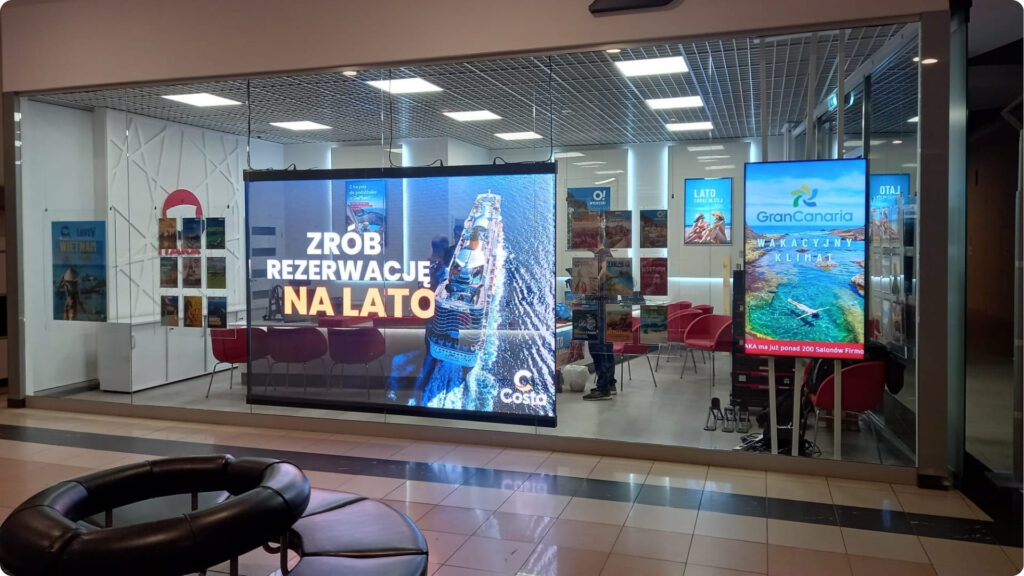
Transparent LED displays are used wherever digital communication must blend seamlessly with architecture, preserving visibility, natural light and the aesthetic value of the surrounding environment. Thanks to their versatility, they are increasingly adopted across retail, commercial, corporate and public spaces.
Different applications require different levels of transparency, brightness, pixel pitch and structural design. Choosing the right solution depends on viewing distance, installation surface and the desired visual impact.
Media Façades
Large building façades require lightweight, weather-resistant systems capable of covering extensive surfaces while maintaining high transparency. These installations create spectacular digital landmarks without significantly altering the appearance of the building.
Retail Shop Windows
Transparent LED displays transform shop windows into dynamic digital showcases while preserving visibility inside the store. They allow retailers to communicate promotions, branding and multimedia content without blocking natural light or product displays.
Corporate Buildings and Showrooms
Modern offices, headquarters and experience centres use transparent LED technology to enhance receptions, meeting areas and architectural features with elegant digital communication that integrates naturally into contemporary interiors.
Shopping Malls and Public Spaces
Transparent displays are increasingly used in shopping centres, airports and transportation hubs where high visibility, premium design and continuous operation are essential.
Rental, Events and Live Entertainment
Lightweight mesh LED systems are ideal for concerts, exhibitions, trade shows and live productions, where fast installation, reduced wind resistance and creative stage designs are required.
Museums, Hospitality and Interior Design
Hotels, museums, luxury retail stores and architectural projects increasingly adopt transparent LED displays to create immersive visual experiences while preserving the elegance of the surrounding environment.

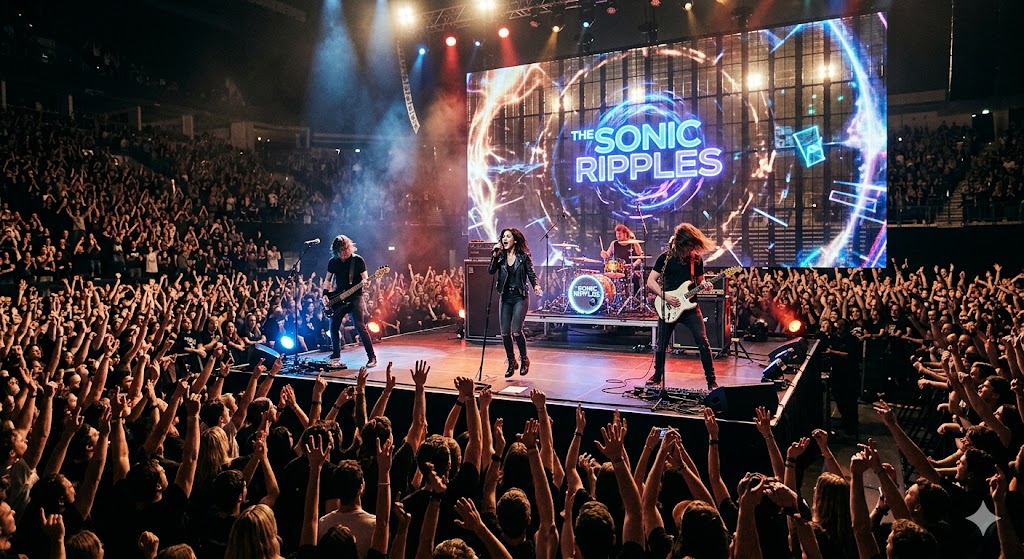
Transparent LED technology is available in several different configurations, each designed for specific architectural, commercial and creative applications. Rather than offering a single product, MacroPix has developed a complete portfolio of transparent LED display solutions to meet different installation requirements, transparency levels and visual objectives.
Vitrum – Premium Transparent LED Displays
Vitrum is a cabinet-based solution designed for premium architectural integration, luxury retail environments, shopping malls and corporate interiors where image quality, elegance and transparency are equally important.
Discover Vitrum transparent LED display panels →
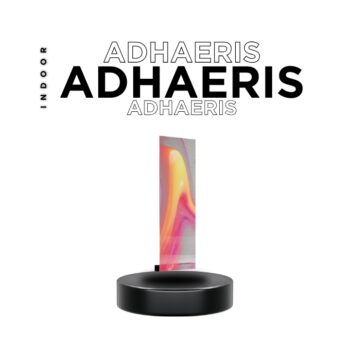
Adhaeris – Transparent LED Film for Glass
Adhaeris is an innovative transparent LED film applied directly onto existing glass surfaces, transforming shop windows and glazed façades into digital communication platforms while preserving maximum transparency and natural light.
Discover Adhaeris transparent LED film for glass →
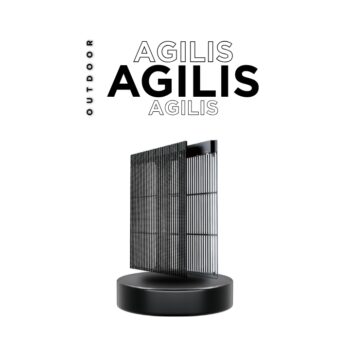
Agilis – Transparent LED Displays for Media Façades
Agilis is engineered for large-scale outdoor media façades and architectural projects, combining lightweight construction, high transparency and exceptional visibility over long viewing distances.
Discover Agilis transparent LED displays for media façades →
Aeris – Lightweight LED Mesh Systems
Aeris is the ideal solution for rental, staging, live events and creative installations where lightweight structures, rapid installation and excellent airflow are essential.
Discover Aeris lightweight LED micro mesh systems →
Luminum – Large Architectural Transparent Displays
Luminum is a pixel-based solution developed for iconic architectural installations requiring maximum transparency, large dimensions and outstanding visual impact across commercial buildings and landmark projects.

Selecting the right transparent LED display depends on much more than transparency alone. The installation surface, viewing distance, brightness requirements, architectural constraints and desired visual effect all influence the most suitable solution.
While all transparent LED displays share the ability to preserve visibility and natural light, each technology has been developed for a specific application.
- Choose Vitrum for premium retail environments, corporate interiors and architectural installations where aesthetics and image quality are the top priorities.
- Choose Adhaeris when you need to transform existing glass surfaces into digital displays using an ultra-thin transparent LED film.
- Choose Agilis for large outdoor media façades requiring lightweight structures, high transparency and exceptional long-distance visibility.
- Choose Aeris for rental, staging and live event applications where low weight, airflow and fast installation are essential.
- Choose Luminum for landmark architectural projects and large transparent LED installations requiring maximum visual impact.
If you are unsure which solution best fits your project, our specialists can help you compare the available technologies and recommend the most suitable transparent LED display based on your application, structure and performance requirements.
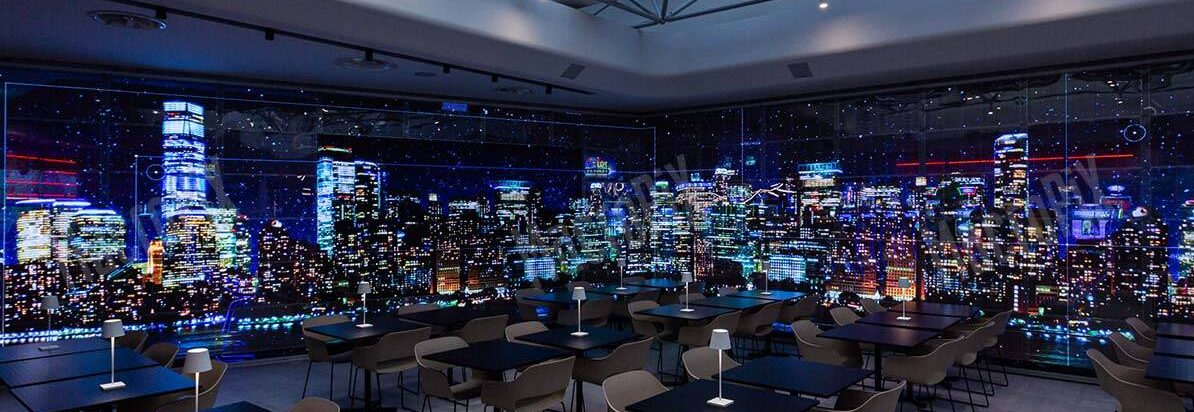
Key Technical Features of Transparent LED Displays
Transparent LED displays are available in different configurations to meet a wide range of architectural and commercial requirements. Transparency, pixel pitch, brightness and structural design all influence the visual performance and suitability of each solution.
Finding the right balance between image quality and transparency is essential. Higher transparency generally provides greater visibility through the display, while smaller pixel pitches improve image definition for closer viewing distances.
Transparency Levels
- 70%+ Transparency – Large pixel pitch (typically over 16 mm), ideal for large media façades and long viewing distances.
- 35–60% Transparency – Medium pixel pitches (3.9–7.8 mm), offering an excellent balance between image quality and transparency for retail and architectural applications.
- Ultra-Fine Transparent Structures – Pixel pitches from 2.6 mm to 3.9 mm for premium retail environments and immersive visual effects.
Typical Brightness Levels
- Retail Shop Windows: 3,000–6,000 NIT
- Outdoor Media Façades: 6,000–10,000 NIT
Other important technical characteristics include lightweight construction, low wind resistance, efficient heat dissipation, reduced maintenance requirements and excellent scalability for both small and very large installations.
The optimal combination of transparency, pixel pitch and brightness always depends on the installation environment, viewing distance and communication objectives.

When Is a Transparent LED Display the Right Choice?
Transparent LED displays offer unique advantages for architectural and commercial applications, but like every display technology, they are designed for specific use cases. Understanding their strengths and limitations helps ensure the best visual and commercial results.
Transparent LED displays are the ideal solution when preserving visibility, natural light and architectural aesthetics is as important as displaying digital content. However, they are not always the best choice for every application.
Transparent LED displays are ideal for:
- Retail shop windows and flagship stores
- Media façades and architectural integration
- Shopping malls and public spaces
- Corporate headquarters and showrooms
- Museums, hotels and luxury environments
- Events and creative installations
Traditional LED displays may be a better choice when:
- Very small text must be viewed at close distances.
- Maximum image resolution is the primary requirement.
- The installation does not require transparency or visibility through the screen.
- High-contrast content is displayed in controlled indoor environments.
Choosing the right display technology is always a balance between transparency, image quality, viewing distance and architectural integration. In many projects, a traditional LED display may deliver better results, while in others, transparent LED technology creates a unique visual experience that no conventional display can achieve.

Important Considerations
Transparent LED displays offer unique advantages, but they are designed for specific applications and should be selected according to the project's visual and architectural requirements.
- Image Resolution: Transparent LED displays generally offer lower pixel density than fine-pitch indoor LED video walls and are therefore less suitable for viewing very small text at close distances.
- Content Design: The best visual results are achieved with high-contrast graphics, videos and animations. Dark backgrounds typically enhance transparency and maximize the visual impact.
- Transparency vs Image Quality: Higher transparency usually means lower LED density. Choosing the right balance depends on the required viewing distance and communication objectives.
- Application: Transparent LED displays are ideal for glass façades, retail windows and architectural integration, while traditional LED displays remain the preferred solution when maximum image resolution is the priority.
Selecting the right technology is always a balance between transparency, image quality, viewing distance and architectural integration. MacroPix can help identify the most suitable solution for every project.

Need Help Choosing the Right Transparent LED Display?
Every transparent LED display project has unique technical and architectural requirements. Whether you are planning a retail installation, a media façade, a corporate headquarters or a custom architectural project, our specialists can help you identify the most suitable solution.
Contact MacroPix today and discover the ideal transparent LED display for your next project.