
How are LED displays manufactured?
Manufacturing a professional LED display is a complex process that combines electronics, precision mechanics, optical engineering and rigorous quality control.
Each stage, from the design of the LED modules to cabinet assembly, calibration and final testing, directly affects image quality, reliability, energy efficiency and the lifespan of the display.
Professional LED screens are not simply assembled from standard components. They are engineered according to the required size, resolution, brightness, viewing distance and installation environment.
This guide explains how LED displays are manufactured, which components are involved and how each system is tested before delivery.
What Are the Main Components of an LED Display?
A professional Direct View LED display consists of several precisely engineered components that work together to deliver high image quality, reliable performance and long-term durability.
The main components include:
- LED modules, available in technologies such as SMD, COB, IMD and MIP.
- Printed Circuit Boards (PCBs), which electrically connect the LEDs and electronic components.
- Cabinets, typically manufactured from die-cast aluminium or steel to provide structural strength and precise module alignment.
- Receiving cards and driver ICs, responsible for processing video signals and controlling each LED.
- Power supplies, which ensure stable and efficient operation.
- Data and power cabling, connectors and grounding systems for reliable communication and electrical safety.
- Protective layers and cooling systems, designed to improve durability, thermal management and long-term performance.
The quality of each individual component directly influences brightness, colour uniformity, reliability and the overall lifespan of the LED display. For this reason, professional manufacturers carefully select and test every part before it enters the production process.

How Are LED Displays Manufactured Step by Step?
The production of a professional LED display follows a carefully controlled manufacturing process designed to ensure consistent quality, reliability and long-term performance. Each stage is monitored to guarantee that every component meets strict technical standards before the display is delivered.
The manufacturing process typically includes the following steps:
1. Project Design and Engineering
Engineers define the display specifications, including size, pixel pitch, resolution, brightness, installation method and environmental requirements. Mechanical, electrical and thermal designs are developed before production begins.
2. PCB Manufacturing and Electronic Assembly
Printed Circuit Boards (PCBs) are produced and populated using automated SMT (Surface Mount Technology) machines, which accurately place LEDs, driver ICs and other electronic components.
3. LED Module Assembly
The completed PCBs are assembled into LED modules. Depending on the technology used, such as SMD, COB or MIP, different manufacturing techniques are applied to maximize image quality, durability and reliability.
4. Cabinet Assembly
LED modules are installed into precision-engineered cabinets together with receiving cards, power supplies, cabling and other electronic components. Accurate alignment is essential to create a seamless display surface.
5. Burn-in Testing
Before calibration, LED displays operate continuously for 48 to 72 hours. This burn-in process helps identify early component failures and ensures stable long-term performance.
6. Calibration and Image Optimization
Each display is calibrated to achieve consistent brightness, colour uniformity and grayscale performance across the entire screen, creating a seamless visual appearance.
7. Final Quality Inspection
The completed LED display undergoes comprehensive electrical, mechanical and visual inspections before packaging and shipment, ensuring it meets the required quality and performance standards.

Why Does Manufacturing Quality Matter?
The quality of the manufacturing process has a direct impact on the performance, reliability and lifespan of an LED display. Even small variations in component quality or assembly precision can affect image uniformity, colour consistency and long-term durability.
Professional manufacturers use carefully selected components, automated production equipment and strict quality control procedures to ensure that every LED module performs consistently across the entire display.
High manufacturing standards provide several important benefits:
- Improved brightness and colour uniformity.
- Greater reliability with fewer defective pixels.
- Longer operational lifespan.
- Better energy efficiency.
- Enhanced thermal stability.
- Lower maintenance requirements and operating costs.
Investing in a professionally manufactured LED display not only delivers superior image quality but also reduces downtime and helps maximize the long-term return on investment.
Looking for a reliable LED display manufacturer?
How Are LED Displays Tested Before Delivery?
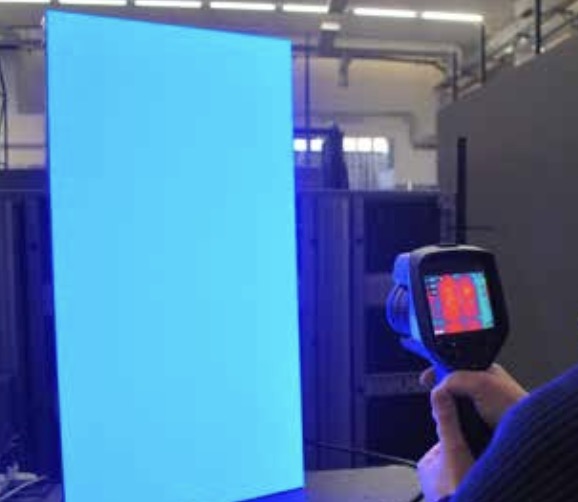
Before leaving the factory, every professional LED display undergoes a series of rigorous tests to verify its performance, safety and reliability. These quality control procedures help ensure that the display will operate consistently once installed, minimizing the risk of failures and simplifying future maintenance.
Typical testing procedures include:
- Brightness and colour calibration to achieve uniform image quality across the entire display.
- Burn-in verification following continuous operation to confirm long-term stability.
- Refresh rate and image performance testing to ensure smooth, flicker-free playback.
- Power consumption and thermal performance checks to verify efficient operation under normal working conditions.
- Signal transmission testing to confirm reliable communication between receiving cards, LED modules and control systems.
- Mechanical inspection to verify cabinet alignment, module installation and overall build quality.
- Environmental testing for outdoor displays, including verification of IP protection against dust and water.
Many premium manufacturers also use advanced camera-based calibration systems and automated inspection technologies to achieve exceptional brightness uniformity, accurate colour reproduction and seamless visual performance.
Comprehensive testing is one of the key differences between professional LED displays and lower-quality products, providing greater reliability, lower maintenance costs and a longer service life.
Manufacturing Is Only the First Step
Manufacturing is a fundamental part of an LED display’s performance, but it is only the beginning of its lifecycle. Even the highest-quality display requires professional installation, proper configuration and regular maintenance to deliver reliable performance over many years.
Correct installation ensures precise cabinet alignment, secure electrical connections and optimal image quality from the very first day of operation. Regular maintenance helps preserve brightness, colour consistency and overall system reliability while reducing the risk of unexpected downtime.
Choosing a high-quality product is therefore only one part of a successful LED display project. Proper installation and ongoing support are equally important to maximize performance, extend the display’s lifespan and protect your investment.
Learn more about:

Looking for a high-quality LED display solution?
Our team can help you select the right technology, configuration and installation for your project.